Hi, I'm Zev.
I build the AI systems that run marketing, and show you how.
Marketing engineer · NYC & Miami · writes The Marketing Engineer
One email a week · unsubscribe anytime

The path
Five chapters, one thread: turning data into results.
2016–2018
New York City
Software engineer
Vroom
- Built and maintained the main vroom.com storefront in React and Next.js.
- Lead developer on SellUsYourCar.com: a standalone app that walked people through quoting and selling their car to Vroom.
Lead devSellUsYourCar.com
2019–2021
New York City
Software engineer
fuboTV
- Built a reusable component system that made landing pages repeatable, then launched 100+ of them, each tested for subscriber sign-ups.
- Launched fubosportsnetwork.com and fubo.tv/news, and led the launch of ir.fubo.tv.
100+landing pages, each tested for sign-ups
2021–2024
NYC & Miami
Research & trading, self-employed
Digital assets
- Systematic market research and on-chain data analysis, turned into thesis-driven capital allocation.
- Ended in a seven-figure exit, and a habit of deciding from data, not from narrative.
7 figuresexit, from on-chain research
2024–now
NYC & Miami
Founder & marketing engineer
Esy
- Built a workflow engine with a public API: every run versioned, checked, reviewable, and costed.
- Grew clip.art with programmatic SEO: 30,000+ pages published, 6,000+ ranking, #1 on Google for “AI clipart”, 800+ users and paid sales within 5 months.
#1on Google for “AI clipart”
Now
NYC & Miami
Writer & teacher
The Marketing Engineer
- One email a week on building the AI systems that run marketing, and courses that take one tool from setup to a result.
- Every piece starts from something I built or tested.
WeeklyThe Marketing Engineer
What I make
Apps, creatives and films, all on Esy.
- 01AppsseopageThree apps on one engine. 54,901 runs so far, each recorded on prompt, model, checks and cost.See clip.art




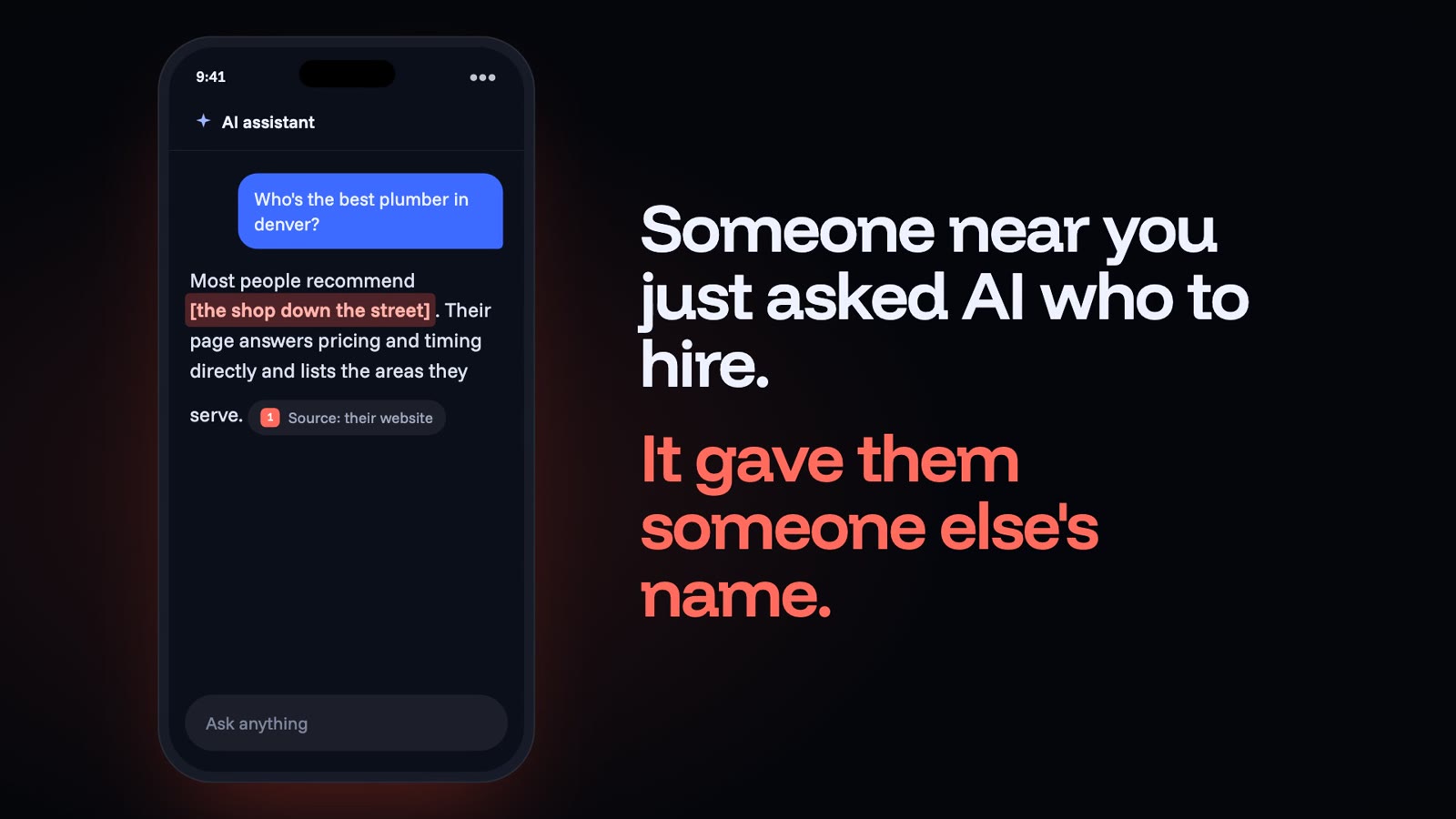
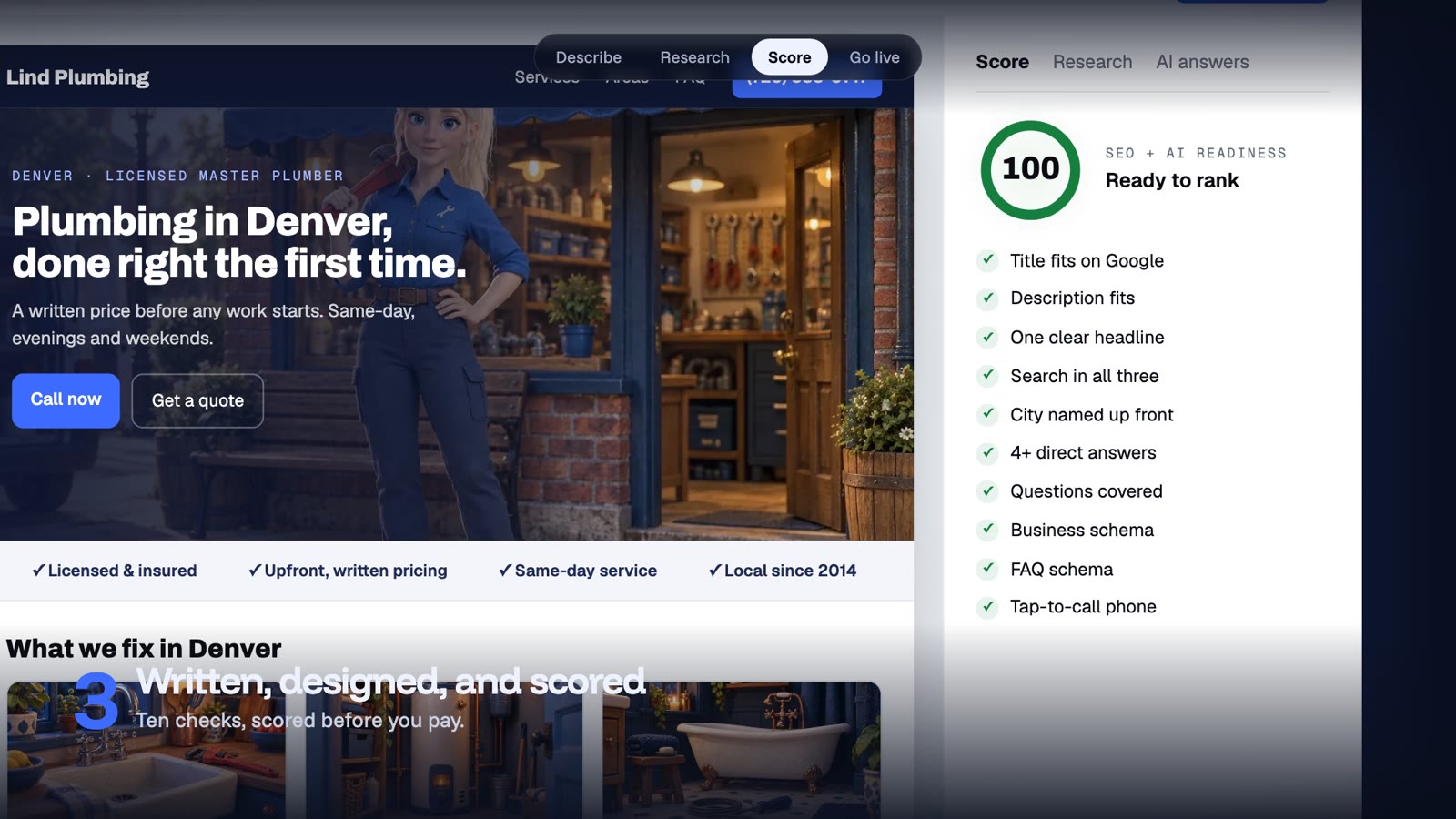
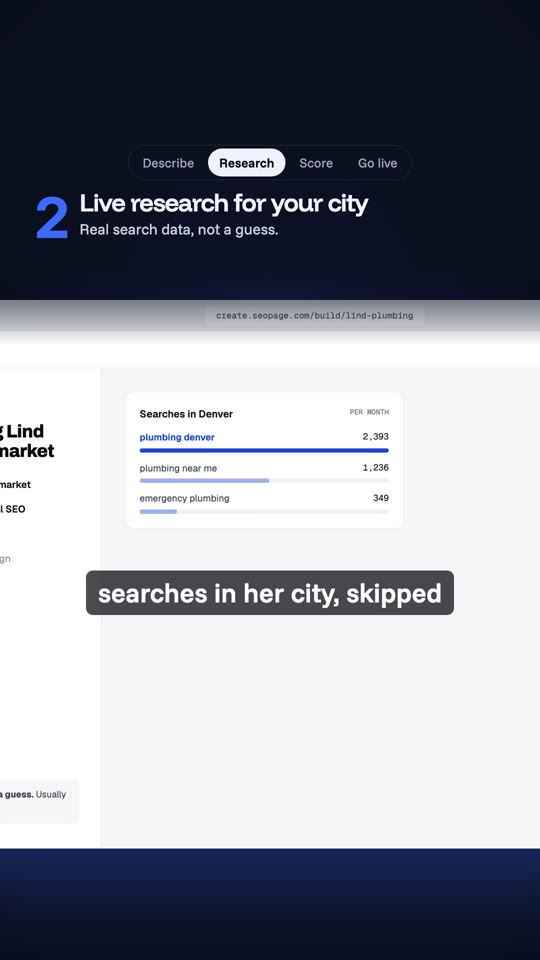
- 02CreativesThe SEOPage explainerExplainer video · 1:15. Why ChatGPT recommends your competitor, and how to fix it.How I made it

- 03FilmsThe Letter With No AddressAnimated short · Family · 4:41 · 2026 · 39 shots · 6 voices · 1 clip.art packWatch the film




The longer story
From streaming apps to marketing systems.
I’ve shipped production software for over seven years. At Vroom I built the vroom.com storefront and led SellUsYourCar.com. At fuboTV I built the component system behind 100+ landing pages, each tested for sign-ups.
From 2021 to 2024 I researched and traded digital assets full time in Miami: market research, on-chain data, thesis-driven allocation. It ended in a seven-figure exit, and it taught me to decide from data.
Since 2024 I’ve built Esy, an engine that runs AI workflows end to end and records every run. It grew clip.art to #1 on Google for “AI clipart”, with 30,000+ pages published and 6,000+ ranking. Three apps run on it now: clip.art, SEOPage, and Compose, a team of agents that writes AI Marketing News here, with every post approved by me. I write The Marketing Engineer to teach what those systems taught me.
Get the weekly email.
The week's best tutorials, guides, and news in one email. Unsubscribe whenever you like.
One issue per week · video + full transcript