
Kalisz, Poland — May 16, 1935
A family strolls through their city. An ordinary day.
Of the three million Jews in Poland, only 300,000 survived.
NEVER FORGET
Bearing Witness to the Holocaust
Before the Darkness
Before we understand what was destroyed, we must understand what existed. Nine million Jews lived in Europe in 1933. They had lived there for centuries—in some places, a thousand years.
They were doctors, tailors, teachers, writers, shopkeepers, laborers. They built synagogues of breathtaking beauty. They argued about politics, worried about their children, celebrated holidays, fell in love.


This was not a people passively awaiting destruction. This was a vibrant, diverse civilization—secular and religious, Zionist and assimilationist, rich and poor. In Poland alone, there were 3.3 million Jews. They published newspapers, produced theater, debated philosophy, raised families.
When we say “six million,” we must understand each one was a person with a name, a face, a story. Each death was the end of a universe.

Janusz Korczak
The Teacher Who Walked with His Children- Pediatrician, author, and educator who ran an orphanage in Warsaw
- Pioneer of children's rights—called for respect for children as full human beings
- Refused multiple offers to escape, choosing to accompany his orphans to Treblinka
- Walked into the gas chambers holding the hands of the youngest children
Unknown photographer. Public Domain (pre-1928).“You do not leave a sick child in the night, and you do not leave children at a time like this.”
The Rise of Hatred
It began not with death camps but with words. The Nazis did not come to power promising genocide—they came promising restoration of German greatness. The persecution of Jews was gradual, legal, bureaucratic.


Each law seemed survivable. Each accommodation seemed reasonable.“It will pass.” “It could be worse.” “We have lived here for generations.”
The incremental nature of persecution is essential to understanding how it succeeded.
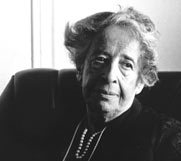
Hannah Arendt
The Philosopher Who Saw the Machine- Political theorist who fled Germany in 1933
- Later reported on Eichmann trial for The New Yorker
- Coined "the banality of evil"—how ordinary bureaucrats enabled genocide
- Her analysis of totalitarianism remains essential to understanding the Holocaust
Photo 1975. Public Domain.“The sad truth is that most evil is done by people who never make up their minds to be good or evil.”
The Tightening Noose
The Night of Broken Glass
In a single night, November 9-10, 1938, the pretense ended. Across Germany, Austria, and the Sudetenland, Nazi paramilitaries and ordinary citizens destroyed Jewish businesses, homes, and synagogues. They called it Kristallnacht—the Night of Broken Glass.
But more devastating than the violence was the response. The world did nothing.Many Germans did nothing—or helped. And the Jews themselves were forced to pay for the damage: one billion reichsmarks.
The message was clear: there would be no protection, no recourse, no rescue.
For those with eyes to see, Kristallnacht revealed the future. Many tried to flee. Most could not. The world closed its doors.

Herschel Grynszpan
The Desperate Trigger- 17-year-old Polish Jew living in Paris
- Shot German diplomat Ernst vom Rath on November 7, 1938
- His act was the pretext (not the cause) for Kristallnacht
- His family had just been deported from Germany to Poland
- Fate unknown—disappeared in Nazi custody
German Federal Archives. CC-BY-SA 3.0.“Being a Jew is not a crime. I am not a dog. I have a right to live.”
A single flame appears...
The Ghettos
When the war began, the Nazis confined Jews to ghettos—walled sections of cities where hundreds of thousands were compressed into streets meant for thousands.
The ghettos were designed to kill through calculated neglect. Disease spread through crowded, unsanitary conditions. In Warsaw, 83,000 Jews died of starvation and disease before the deportations to death camps began.
And yet, life persisted. Secret schools operated. Underground newspapers circulated. The historian Emanuel Ringelblum and his team documented everything— collecting tens of thousands of documents, buried in milk cans and metal boxes, hidden for posterity.
“We know what awaits us. But we want the world to read and know.”
— Emanuel Ringelblum
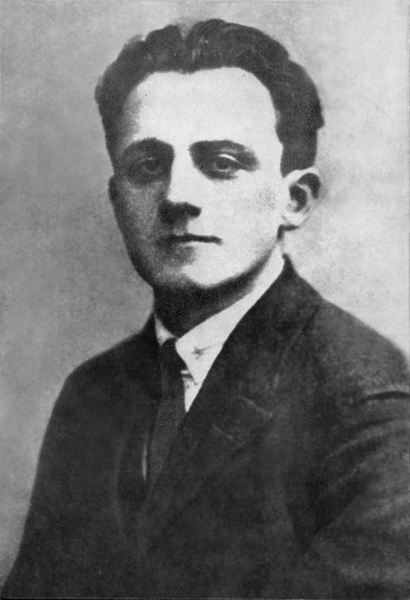
Emanuel Ringelblum
The Historian Who Buried the Truth- Organized the Oyneg Shabes archive in the Warsaw Ghetto
- Collected 35,000 documents, testimonies, and artifacts
- Buried in milk cans and boxes, recovered after the war
- Killed with his family in 1944
Unknown photographer. Public Domain.“I do not ask for myself. I ask that this should not be forgotten.”
Adam Czerniaków
The Impossible Position- Chairman of the Warsaw Ghetto Jewish Council
- Tried to negotiate, to save who he could
- When ordered to compile deportation lists, he refused
- Took cyanide rather than send children to death
“They want me to kill the children of my nation with my own hands.”
Content Warning: This chapter contains descriptions of mass murder. The photographs are selected to convey scale and horror without gratuitous display of victims' suffering.
The Final Solution
On January 20, 1942, fifteen Nazi officials met at a villa in Wannsee, a suburb of Berlin. Over lunch, they coordinated the bureaucratic details of genocide. They called it “the Final Solution to the Jewish Question.”
The death camps—Auschwitz-Birkenau, Treblinka, Sobibor, Belzec, Chelmno, Majdanek—were designed for one purpose: industrial murder. Trains arrived daily. SS doctors performed “selections” on the platform—left to labor, right to death. Most went right.
At Auschwitz, up to 6,000 people were gassed and cremated every day.
This was not madness. This was bureaucracy. Train schedules were coordinated. Zyklon B was ordered in quantities. Gold teeth were extracted, hair was collected, possessions were sorted. The genocide was administered like any other government program.
The Witnesses
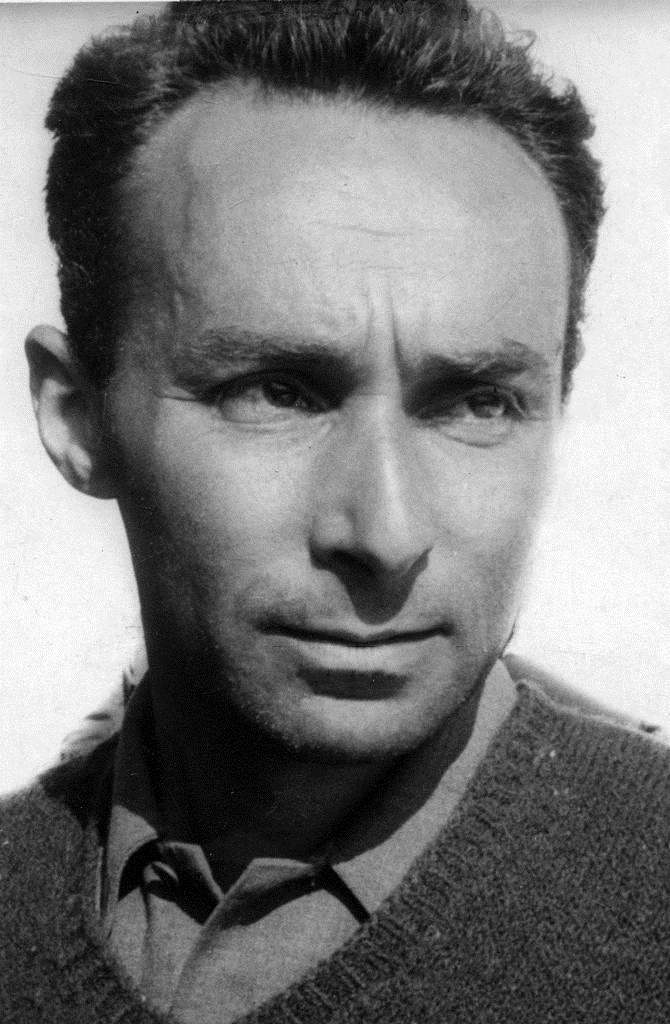
Primo Levi
The Chemist Who Testified- Italian Jewish chemist deported to Auschwitz in 1944
- Survived as slave labor in a chemical plant
- Wrote If This Is a Man, one of the essential accounts
- Died in 1987
Unknown photographer. Public Domain.“It happened, therefore it can happen again. This is the core of what we have to say.”
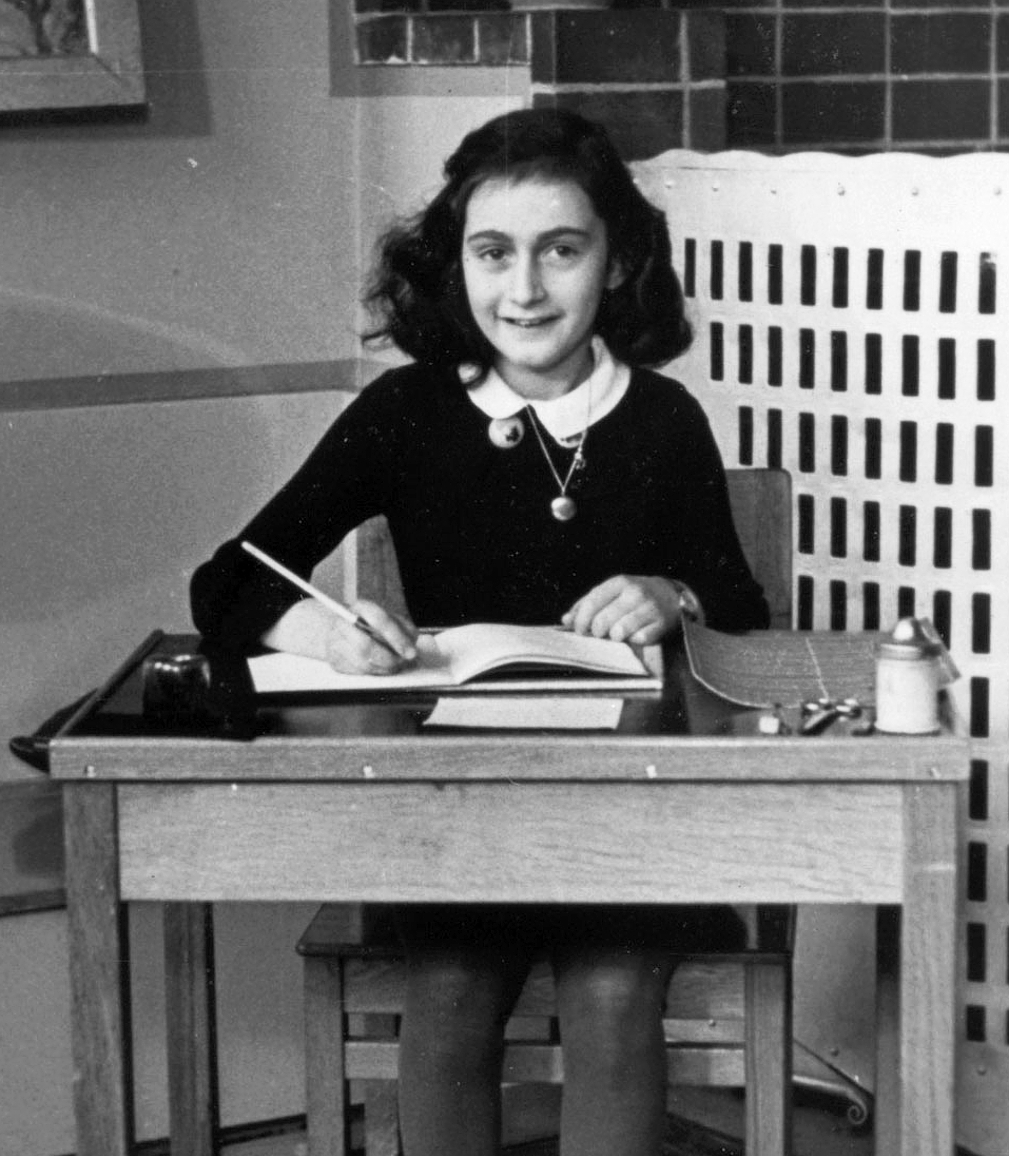
Anne Frank
The Voice That Survived- German-Jewish girl who hid in Amsterdam for two years
- Diary discovered and published after her death
- Died in Bergen-Belsen, weeks before liberation, age 15
- Her diary has been read by tens of millions
Unknown photographer, 1940. Public Domain.“In spite of everything, I still believe that people are really good at heart.”

Elie Wiesel
The Witness Who Would Not Be Silent- Deported to Auschwitz at 15, survived Buchenwald
- Wrote Night, the defining memoir of Holocaust experience
- Nobel Peace Prize, 1986
- Dedicated life to testimony, human rights
H. Miller / United States Army, April 16, 1945. Public Domain (U.S. Government).“To forget the dead would be akin to killing them a second time.”
The train arrives. Doors slide open.
Figures emerge. Confusion. Fear.
The line advances. Left or right. The arbitrariness of survival.
Resistance
Resistance took many forms. There was armed resistance—the Warsaw Ghetto Uprising of April 1943, when a few hundred fighters with pistols and homemade bombs held off the German army for nearly a month.
But resistance was also survival. It was Ringelblum burying his archive. It was parents teaching children in secret schools. It was maintaining religious observance in the camps. It was choosing how to die when death was certain.
And there were non-Jews who risked everything. Raoul Wallenberg in Budapest. Oskar Schindler. Thousands of unknown helpers—hiding Jews in attics, barns, convents, at risk of death for themselves and their families.
They could not stop the Holocaust. But they proved that even in the darkest hour, human beings are capable of courage and compassion.

Mordechai Anielewicz
The Commander Who Knew He Would Die- Leader of the Jewish Fighting Organization (ZOB) in Warsaw
- Organized the Warsaw Ghetto Uprising at age 24
- Knew the revolt could not succeed; fought anyway
- Died in the bunker at Mila 18, May 8, 1943
Unknown photographer, January 5, 1938. Public Domain.“We will die like human beings.”
Righteous Among the Nations

Raoul Wallenberg
The Diplomat Who Saved Tens of Thousands- Swedish diplomat in Budapest, 1944
- Issued thousands of protective "Schutzpässe"
- Pulled Jews off deportation trains
- Saved an estimated 100,000 Hungarian Jews
- Arrested by Soviets in 1945, fate unknown
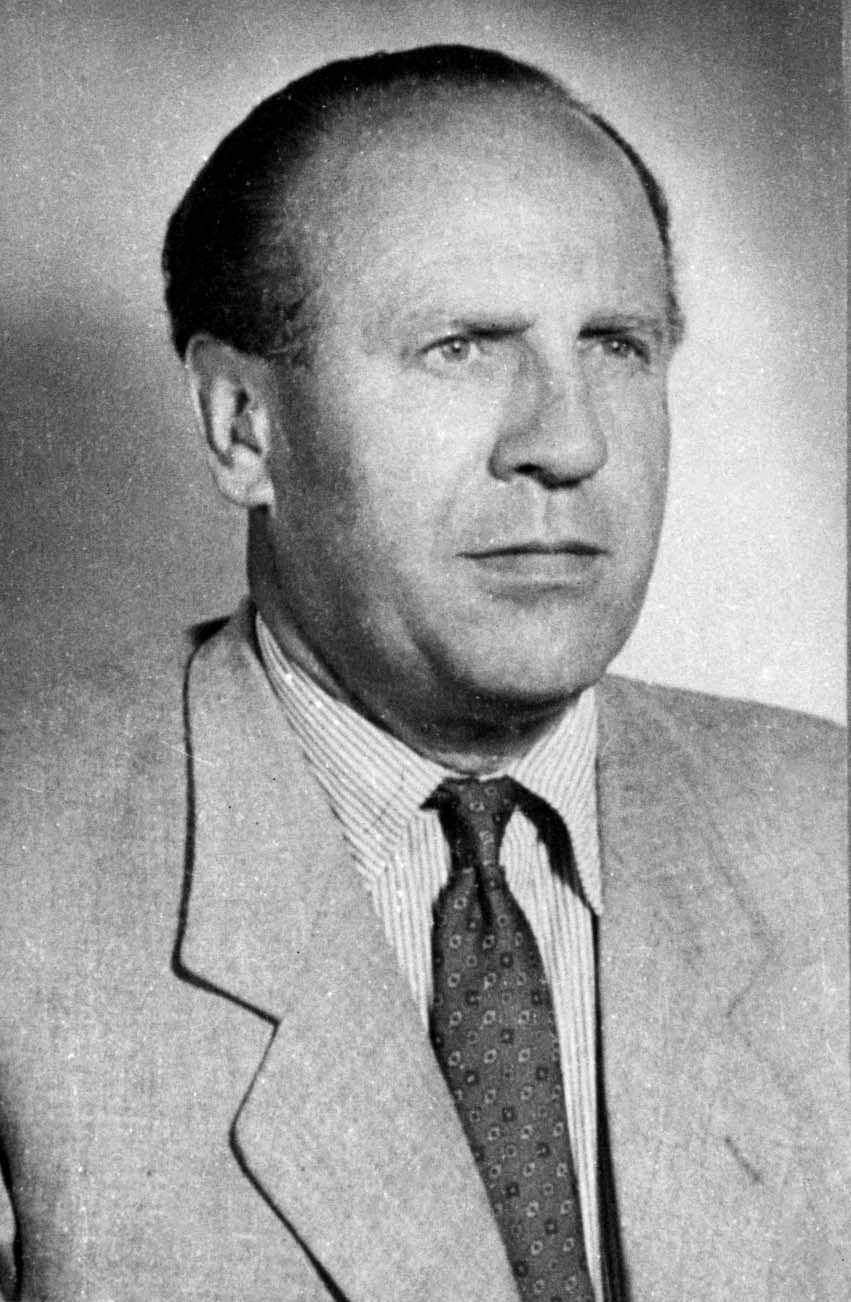
Oskar Schindler
The Profiteer Who Became a Savior- German industrialist and Nazi Party member
- Employed Jews in his factories to protect them
- Saved over 1,200 Jews from Auschwitz and Płaszów
- Spent his fortune bribing officials to keep his workers alive
Unknown photographer. Public Domain.“Whoever saves one life, saves the world entire.”
April 19, 1943 — German forces enter the ghetto
Liberation
Soviet forces reached Majdanek in July 1944. Auschwitz was liberated on January 27, 1945— now commemorated as International Holocaust Remembrance Day.
What the soldiers found defied comprehension. General Eisenhower ordered every available camera to document the horrors, predicting that future generations would deny.
“Get it all on record now. Get the films. Get the witnesses. Because somewhere down the road of history, some bastard will get up and say that this never happened.”
— General Dwight D. Eisenhower
For survivors, liberation was not the end. They emerged into a world where their families had been murdered, their homes occupied, their communities erased. Many spent years in displaced persons camps. The psychological wounds would never fully heal.

Simon Wiesenthal
The Hunter of Nazis- Survived Mauthausen concentration camp
- Dedicated his life to tracking Nazi war criminals
- Helped bring over 1,100 Nazis to justice, including Adolf Eichmann
Photo by Rob Bogaerts / Anefo, 1982. CC0 1.0 (Dutch National Archives).“Survival is a privilege which entails obligations. I am forever asking myself what I can do for those who have not survived.”
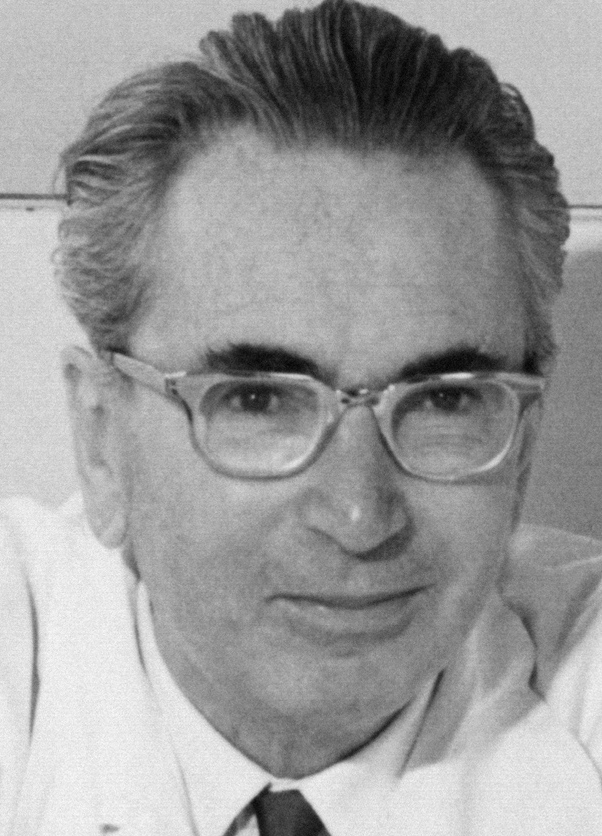
Viktor Frankl
The Psychiatrist Who Found Meaning- Austrian psychiatrist deported to Auschwitz
- Lost his wife, mother, brother in the camps
- Wrote Man's Search for Meaning, one of the most influential books of the 20th century
Unknown photographer, 1965. CC-BY-SA 3.0.“Those who have a 'why' to live can bear with almost any 'how'.”
Never Forget
In 1945, there were millions of survivors. Today, there are fewer than 250,000 worldwide—most over 80 years old. Within a decade, there will be no living witnesses.
The question of memory becomes urgent: Who will remember when those who experienced it are gone?
This is not merely historical interest. Antisemitism is rising worldwide.Holocaust denial persists. The lessons of the Shoah—about the dangers of dehumanization, propaganda, bystander silence, the fragility of democracy—remain urgently relevant.
To remember is an act of resistance. To speak the names is to refuse erasure. To learn the history is to accept the obligation: this must never happen again. Not to Jews. Not to anyone.
The Holocaust was not inevitable. It was chosen—by perpetrators, by collaborators, by bystanders who did nothing. And it was resisted—by fighters, by rescuers, by those who maintained their humanity in inhuman conditions.
The question is not only “How could this happen?” but “How do we ensure it never happens again?”
Sources & Further Reading
Archives & Primary Sources
- United States Holocaust Memorial Museum (USHMM), Washington D.C.
- Yad Vashem, Jerusalem
- Memorial and Museum Auschwitz-Birkenau
- Bundesarchiv (German Federal Archives)
- Ghetto Fighters' House Archives
- YIVO Institute for Jewish Research
- USC Shoah Foundation Visual History Archive
- Wiener Holocaust Library, London
Essential Works
- Elie Wiesel, "Night" (1960)
- Primo Levi, "If This Is a Man" (1947)
- Anne Frank, "The Diary of a Young Girl" (1947)
- Viktor Frankl, "Man's Search for Meaning" (1946)
- Raul Hilberg, "The Destruction of the European Jews" (1961)
- Hannah Arendt, "Eichmann in Jerusalem" (1963)
Historical Resources
- United States Holocaust Memorial Museum - Holocaust Encyclopedia
- Yad Vashem - The World Holocaust Remembrance Center
- USC Shoah Foundation - Visual History Archive
- International Holocaust Remembrance Alliance (IHRA)
Crisis Resources
If you or someone you know is struggling after engaging with this content:
- Crisis Text Line: Text HOME to 741741
- National Suicide Prevention Lifeline: 988
- International Association for Suicide Prevention: Crisis Centers
זכרונם לברכה
May their memory be a blessing.