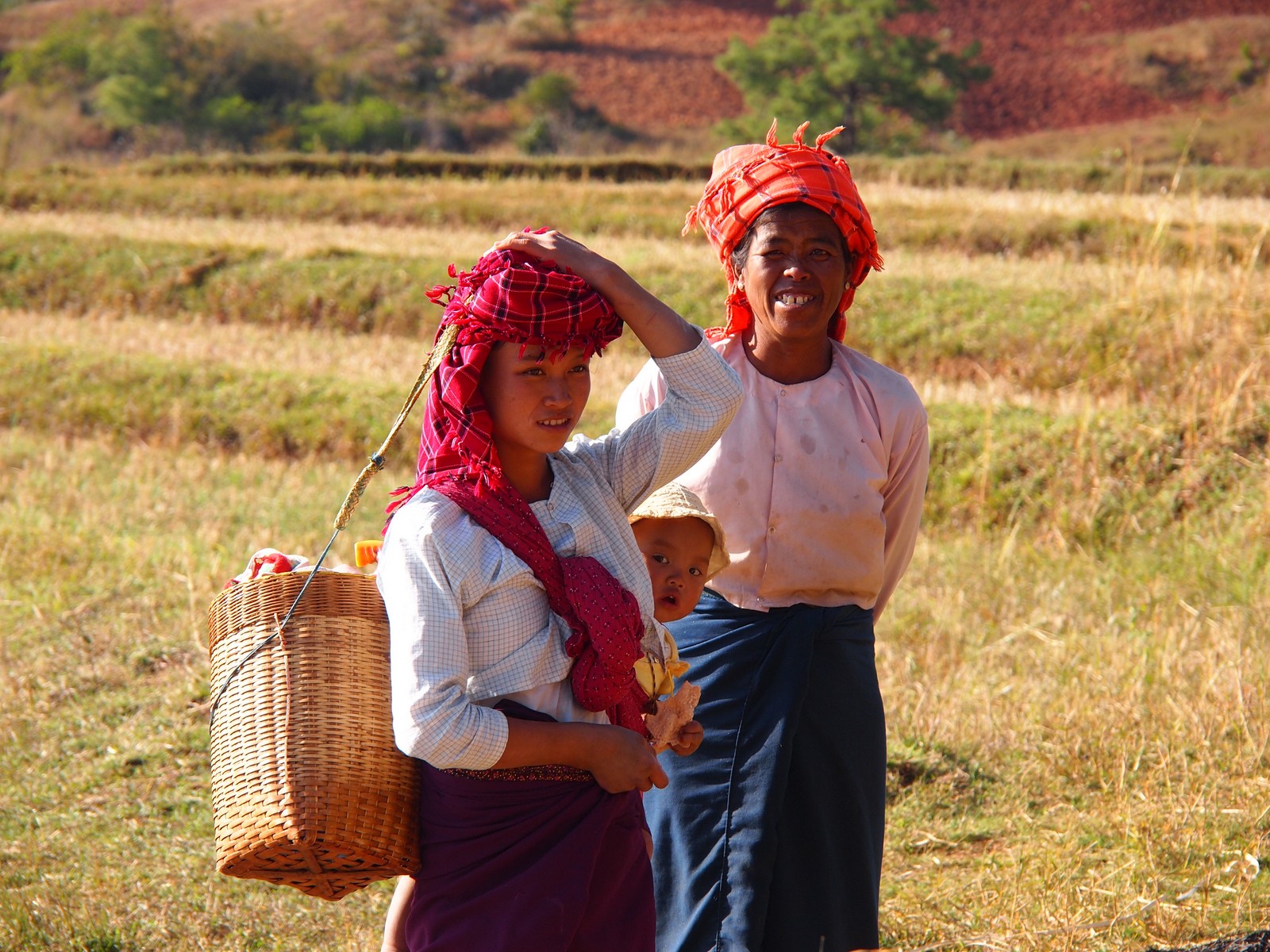
Traditional Burmese tea house atmosphere
Visual Essay

The History of Burmese Cuisineမြန်မာအစားအစာ သမိုင်း

From Pyu fermentation to diaspora tables: 2,000 years of culinary heritage at the crossroads of Asia

Mohinga - Myanmar national dish
Scroll to explore
1

The Fermented Foundation

ငါးပိ — အိုးထဲက ဝိညာဉ်

Ngapi — The Soul in the Jar

A grandmother's hands press fish into clay pots in a Rakhine village, beginning a transformation that will take six months — and define a cuisine for two millennia.

Ngapi (ငါးပိ) is more than an ingredient — it is the soul of Burmese cuisine. This fermented fish paste, aged for months in earthen vessels, provides the foundational umami that defines every Burmese meal. Its origins stretch back to the Pyu civilization, making it one of humanity's oldest fermentation traditions still in continuous practice.

Fish market scene in Sittwe, Rakhine StateDried fish for sale at Sittwe fish market - raw materials for ngapi production

In Rakhine State, where the Kaladan River meets the Bay of Bengal, fishermen have practiced the art of ngapi-making since before recorded history. The process is deceptively simple: fresh fish, sea salt, and time. But the alchemy that occurs inside those clay pots — the breakdown of proteins into glutamates, the development of complex flavor compounds — represents a sophisticated understanding of biochemistry developed millennia before the science had a name.

Daw Khin Nyuntဒေါ်ခင်ညွန့်

Ngapi Master, Sittwe, Rakhine State

ငါးတွေက နံနက်ဆုတောင်းသံကို မကြားခင် အိုးထဲမထည့်ရဘူး။

The fish must hear the morning prayers before going into the pot.

Living link to pre-industrial ngapi production. Her methods date to Pyu-era techniques.

There are three primary forms of ngapi: nga-pi-ye (ငါးပိရည်), the liquid sauce used for seasoning; nga-pi-gaung (ငါးပိခေါင်း), the thick paste that forms the base of countless dishes; and nga-pi-htaung, whole fermented fish preserved for special occasions.

2

The Oil Returns

ဆီပြန် — သည်းခံခြင်းက စကားပြော

Si Pyan — When Patience Speaks

In Burmese kitchens, oil doesn't just coat the food — it transforms, absorbs, and then returns to pool on the surface like a signature written in gold.

Si pyan (ဆီပြန်) — literally “oil returns” — is the technique that distinguishes Burmese curries from all others in Asia. While Indian curries bloom spices in oil and Chinese stir-fries seal ingredients with high heat, Burmese cooking takes a more patient approach: slow simmering until the oil, which first sinks into the meat and vegetables, eventually separates and rises back to the surface.

Traditional Burmese curry set with soup, rice, vegetables, and various curries
A traditional Burmese curry set showing the characteristic oil layer

This golden pool floating atop a finished curry is not a flaw to be skimmed away — it is the signature of completion, the cook's visual confirmation that the dish has reached its peak. The returning oil carries the extracted essence of every ingredient: the warmth of turmeric, the pungency of garlic, the depth of ngapi.

U Kyaw Soeဦးကျော်စိုး

Curry Master, Mandalay Tea Shop Owner

ဆီပြန်တော့ ဟင်းက မင်းကို စကားပြောနေတာ။ နားမထောင်ရင် မြန်မာဟင်း ဘယ်တော့မှ မချက်တတ်ဘူး။

When the oil returns, the curry is speaking to you. If you don't listen, you'll never cook Burmese.

Bridge between royal cuisine traditions and contemporary Mandalay food culture.

The patience required for si pyan cooking has shaped Burmese kitchen rhythms for centuries. A proper hin (ဟင်း) — the Burmese word for curry — cannot be rushed. It demands 45 minutes, sometimes an hour, of gentle simmering. This is why Burmese home cooks traditionally prepared curries in the cooler morning hours, letting them rest until mealtime when the flavors had fully melded.

3

The National Bowl

မုန့်ဟင်းခါး — မိုးလင်းအထိ စောင့်နေသော ဟင်းရည်

Mohinga — The Soup That Waited Until Dawn

Every morning across Myanmar, millions begin their day with the same ritual: a bowl of mohinga, the national dish whose origins reach back to Mon fishermen who needed sustenance before the dawn catch.

Mohinga - Myanmar's traditional national dish, fish noodle soup

Mohinga (မုန့်ဟင်းခါး) is not merely a dish — it is a morning ritual, a national symbol, and a living connection to Mon civilization. The word itself reveals its components:mohnt (rice vermicelli) and hin-gah (fish soup with lemongrass).

Long before the Bamar people established dominance in the Irrawaddy valley, Mon fishermen along the coast were perfecting this nourishing soup. They needed sustenance that could be prepared before dawn, eaten quickly, and provide energy for a day of hard labor on the water.

Today, mohinga vendors begin their work at 3 AM. By the time the first light touches Yangon's streets, they are ready — enormous pots of fish broth simmering, mountains of rice noodles waiting, bowls of accompaniments arranged with practiced precision: crispy fritters, sliced banana stem, boiled egg, fresh coriander, and the essential squeeze of lime.

Daw Than Myintဒေါ်သန်းမြင့်

Mohinga Street Vendor, Yangon

ဒီထောင့်မှာ မျိုးဆက်သုံးဆက်ကို ကျွေးခဲ့ပြီ။ ဗိုလ်ချုပ်အောင်ဆန်းသမီး ကျောင်းသူဘဝကတည်းက စခဲ့တာ။

I started when Bogyoke Aung San's daughter was still a schoolgirl. This corner has fed three generations.

Living institution of Yangon street food. Her consistency represents Burmese food as daily ritual.

Mohinga street stall in Mandalay, MyanmarStreet food vendor in Yangon, Myanmar

When Myanmar gained independence from Britain in 1948, there was never any question about what food would represent the new nation. Mohinga was already woven into the fabric of daily life from Rakhine to Shan State, from Mandalay to the delta. It was — and remains — the great equalizer: street vendors serve the same essential dish to factory workers and government ministers alike.

4

The Fermented Leaf

လက်ဖက် — မည်သည့်အင်ပါယာကိုမှ ဦးမညွှတ်သော အရွက်

Laphet — The Leaf That Bowed to No Empire

In a world where tea is drunk, Burma alone decided to eat it — fermenting leaves in bamboo tubes buried underground, creating the only fermented tea leaf salad on Earth.

Laphet (လက်ဖက်) — fermented tea leaves — represents one of Burma's most remarkable contributions to world food culture. While the rest of humanity learned to steep tea leaves in hot water, the people of the Shan highlands developed a completely different relationship with the plant: they learned to eat it.

Hsipaw town in Shan State highlands, Myanmar
The Shan State highlands — birthplace of laphet fermentation

The process begins in the mist-shrouded tea gardens above 1,000 meters elevation. Young leaves are picked by hand, steamed to halt oxidation, then packed tightly into bamboo tubes or clay vessels and buried underground. There, in the cool darkness, they ferment for three to six months — sometimes longer for premium laphet. What emerges is unlike anything else in gastronomy: tangy, slightly bitter, deeply earthy, and utterly addictive.

Sao Kham Hlaingစဝ်ခမ်းလှိုင်

Laphet Producer, Shan State

မြေကြီးက ကျွန်တော်တို့ လျှို့ဝှက်ချက်တွေကို သိမ်းပေးတယ်။ ခြောက်လ သည်းခံရင် ဘိုးဘွားတွေ မှတ်မိမယ့် အရွက်ဖြစ်လာတယ်။

The earth keeps our secrets. Six months of patience, and the leaves become something the ancestors would recognize.

Guardian of the original laphet fermentation method. Cultural preservationist through practice.

Laphet thoke (လက်ဖက်သုပ်), the famous tea leaf salad, combines these fermented leaves with roasted peanuts, toasted sesame, fried garlic, dried shrimp, and a dressing of lime juice, fish sauce, and peanut oil. But laphet is more than a dish — it is a social institution. Serving laphet signifies hospitality, peace-making, and celebration. Treaties were sealed with laphet. Families reconciled over shared platters of it.

5

The Crossroads Kitchen

မြစ်ငါးသွယ် အိုးတစ်လုံး

Five Rivers, One Pot

Stand at the junction of Bogyoke Market in Yangon and you'll taste India to the west, China to the north, Thailand to the east — yet the bowl in your hands belongs to none of them.

Burma sits at one of history's great crossroads. For millennia, traders, conquerors, and migrants have passed through the land between India and China, between the mountains and the sea. Each wave left its mark on the cuisine — but what makes Burmese food unique is not what was borrowed, but how it was transformed.

Malikha River flowing through northern Kachin State highlands
The Malikha River — ancient trade route through northern Kachin State

Where Five Rivers Meet

ငါးမြစ်ဆုံ

Burma's cuisine flows from five tributaries, each carrying flavors from distant lands

BURMAမြန်မာ

🇮🇳 India

Curry, biryani, naan

🇨🇳 China

Wok, noodles, tofu

🇹🇭 Thailand

Salads, herbs, curries

Mon

Fish, fermentation

Shan

Tofu, highland greens

Burmese-style samosa - Indian-influenced street food

🇮🇳 From India

Samosa → Samusa

ဆမူဆာ

Curry spices, biryani → dàn bauk, naan, dal traditions

Shan hkauk swè - traditional Shan-style rice noodle soup with chicken and garnishes

🇨🇳 From China

Wok Mastery

ရှမ်းခေါက်ဆွဲ

Noodles, stir-fry techniques, Yunnan fermentation wisdom

Ohn No Khao Swè - Burmese coconut chicken noodle soup

🇹🇭 From Thailand

Khao Soi → Ohn No

အုန်းနို့ခေါက်ဆွဲ

Shared salad cultures, curry foundations, galangal and lemongrass

Mohinga - Myanmar's traditional national dish, fish noodle soup

From Mon

Proto-Mohinga

မွန်

Coastal cuisine, fermented fish expertise, the roots of Burma's national dish

Hnapyan gyaw - Shan-style twice-fried tofu fritters from Inle Lake

From Shan

Tohu

ထိုးဟူး

Chickpea tofu, sour rice dishes, highland vegetables

Transformation: How Burma Makes It Its Own

Traditional Indian samosa - deep-fried potato-filled pastry

Indian Samosa

Deep-fried, potato-filled, served hot with chutney

Burmese-style samosa - Indian-influenced street food

Burmese Samusa

ဆမူဆာ

Served in a salad, chopped with cabbage, chickpeas, lime, and tamarind

Indian naan bread being baked in a tandoor oven

Indian Naan

Tandoor-baked, soft, served as side bread

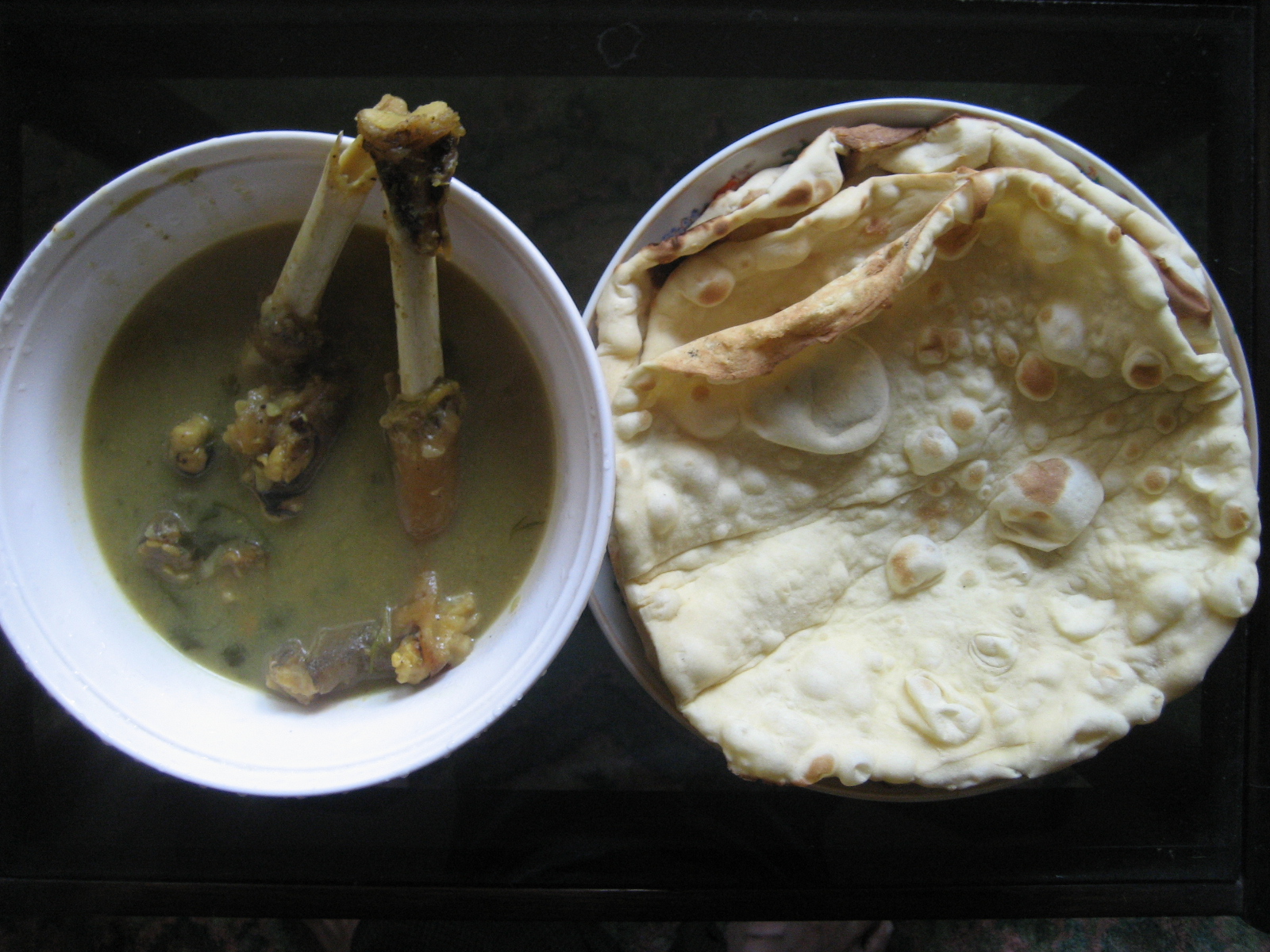
Naan bya with mutton soup - Indian-influenced Burmese breakfast

Naan Bya

နံပြား

Dipped in mutton soup — a complete breakfast meal

U Tin Maungဦးတင်မောင်

Food Historian, Yangon University (Retired)

ဝင်လာတဲ့ အင်ပါယာတိုင်း ကျွန်တော်တို့ အစားအစာကို ပြောင်းချင်ခဲ့တယ်။ အဲဒီအစား သူတို့ဟာကို ကျွန်တော်တို့ ပြောင်းလိုက်တာ။

Every empire that came through wanted to change our food. Instead, we changed theirs.

Academic authority on Burmese culinary history. Living library of documented food heritage.

Consider ohn no khao swè (အုန်းနို့ခေါက်ဆွဲ), coconut chicken noodle soup. At first glance, it resembles Thai khao soi or Malaysian laksa. But taste it, and the differences emerge: the coconut milk is lighter, the chickpea flour thickens the broth in a distinctly Burmese way, and the accompaniments — crispy noodles, raw onion, lime, fish sauce — create a flavor profile that belongs to no neighbor.

Ohn No Khao Swè - Burmese coconut chicken noodle soup
Ohn no khao swè — coconut chicken noodles, Burma's answer to the world's curried noodle soups
6

The Royal Table

ဘုရင်စားသောအခါ နိုင်ငံတော်က မှတ်မိ၏

When Kings Ate, Kingdoms Remembered

In the glass palace of Mandalay, the last Burmese king ate from 300 dishes daily — a culinary catalog we nearly lost when the British burned the royal records.

Palace of the Hluttaw (Supreme Council) at Mandalay, 1886
The Hluttaw (Supreme Council) at Mandalay Palace, 1886 — one year after British annexation

The Konbaung dynasty (1752-1885) represented the pinnacle of Burmese court culture, and nowhere was this more evident than in the royal kitchens of Mandalay. King Mindon, who founded the city in 1857, maintained a culinary establishment that rivaled any in Asia: hundreds of cooks, specialized departments for different dishes, and a daily menu that documented over 300 distinct preparations.

Portrait of King Mindon Min of BurmaPortrait of Queen Supayalat, last Queen of Burma, c. 1882
Portrait of King Mindon Min of Burma

King Mindonမင်းတုန်းမင်း

Reformist King, Founder of Mandalay

The palace kitchen must preserve what our ancestors knew, even as we learn what the world offers. — attributed

Last great royal patron of Burmese court cuisine. His reign represents peak traditional food culture.

Portrait of Queen Supayalat, last Queen of Burma, c. 1882

Queen Supayalatစုဖုရားလတ်

Last Queen of Burma

They burned our palace but they could not burn the taste of our food from our memories. — attributed

Tragic symbol of culinary knowledge lost with monarchy. Her exile severed the transmission of court cuisine.

When British forces exiled King Thibaw and Queen Supayalat in 1885, they did more than end a dynasty — they severed the institutional memory of Burmese high cuisine. The royal cooks scattered. The menus were lost or burned. The elaborate preparations that had evolved over centuries suddenly had no home, no patron, no future.

Ancient mural from Gubyaukgyi Temple, Myinkaba, BaganInterior mural of Somingyi Kyaung Temple, Bagan

Chef Suu Kyi Winစုကြည်ဝင်း

Royal Cuisine Reconstructionist, Mandalay

အပိုင်းစတွေကနေ ချက်တယ်။ ဗြိတိသျှအရာရှိ ဒိုင်ယာရီ၊ အမတ်တော် မှတ်ဉာဏ်၊ ဘုရားကျောက်စာ။ ဟင်းတစ်ခုချင်းက ရှေးဟောင်းသုတေသနပါပဲ။

I cook from fragments — a British officer's diary, a lady-in-waiting's memory, a temple inscription. Each dish is archaeology.

Bridge between lost court traditions and contemporary fine dining. Makes history edible.

Today, a new generation of Burmese chefs is attempting the painstaking work of reconstruction. They piece together royal recipes from fragments: a British officer's diary entry describing a banquet, a temple inscription listing offerings, the oral memories of families who once served the palace. Each recovered dish is an act of cultural archaeology.

7

The Street Parliament

လက်ဖက်ရည်ဆိုင် — မြန်မာပြည် အသံထွက် စဉ်းစားရာ

Tea Shops — Where Myanmar Thinks Aloud

Before Facebook, before newspapers, there were tea shops — low plastic stools and sweet condensed milk tea where a nation debated, gossiped, and dreamed in public.

Traditional teahouse interior in Yangon, Myanmar

The Burmese tea shop is not merely a place to eat and drink — it is the nation's informal parliament, its neighborhood newsroom, its social safety valve. On low plastic stools around tiny tables, every stratum of society mingles: businessmen and rickshaw drivers, monks and merchants, students and soldiers.

The institution emerged during the colonial period, when Indian tea culture met Burmese social needs. The British brought the concept of the tea room, but Burmese entrepreneurs transformed it into something entirely local: louder, more democratic, open from dawn until midnight.

The menu is consistent across the country: laphet thoke is almost always available. Nan pya (နန်ပြား), the Burmese flatbread, comes straight from the tandoor. Samosas arrived with Indian immigrants and stayed forever. E kya kway (အီကြာကွေး), Chinese-origin fried crullers, are dunked in sweet tea. And always, always, the tea itself: sweet, milky, strong, served in small glasses that demand frequent refills.

Tea house food - spring rolls, steamed pork, and traditional Myanmar teaMohinga soup served alongside tea leaf salad (laphet thoke)

Ko Zaw Naingကိုဇော်နိုင်

Tea Shop Owner, Yangon

ဗိုလ်ချုပ်တွေလာခဲ့တယ်။ ကဗျာဆရာတွေလာခဲ့တယ်။ ကျောင်းသားတွေလာခဲ့တယ်။ ဒီဆိုင်က မြန်မာပြည်အနာဂတ် ဗားရှင်းတိုင်းကို ကြားဖူးတယ်။

The generals came here. The poets came here. The students came here. This shop has heard every version of Burma's future.

Tea shop as Burmese institution embodied. Witness to half a century of political history.

Throughout Burma's turbulent political history, tea shops have served as barometers of public sentiment. In times of repression, they become quieter, conversations more guarded. During moments of opening, they explode with debate. Regular customers know who is missing, who has fled, who has been arrested — the tea shop keeps its own census of the nation's mood.

8

The Scattered Table

ဒေသရွှေ့ပြောင်း — ခရီးသွားခဲ့သော ချက်ပြုတ်နည်းများ

Diaspora — The Recipes That Traveled

In a Brooklyn apartment, a grandmother teaches her American-born granddaughter to make mohinga — adjusting for ingredients that don't exist here, holding onto a homeland she may never see again.

The Burmese diaspora began in earnest after the 1962 military coup, accelerated after the 1988 protests, and continues to this day. Each wave of emigrants carried their cuisine with them — to Thailand, to the United States, to the United Kingdom, to Australia. In refugee camps on the Thai border, women learned to cook Burmese food with Thai ingredients. In Oakland and Los Angeles, restaurants opened to serve homesick communities and curious Americans alike.

ချက်ပြုတ်နည်းသုံးခုနဲ့ ခြောက်ငါးပိ တစ်အိတ်ယူလာခဲ့တယ်။ ကျန်တာအကုန် အရသာနဲ့ မှတ်မိရတယ်။

Many diaspora restaurateurs describe leaving Myanmar with just a few recipes in their heads and a bag of dried ngapi. Everything else, they had to remember by taste — reconstructing homeland flavors from memory alone.

Diaspora cuisine is cuisine under pressure. When ingredients are unavailable, substitutions must be made — but what substitutions preserve authenticity, and which ones cross an invisible line? Canned bamboo shoots stand in for fresh banana stem. Fish sauce approximates ngapi when the real thing can't be found. Each decision is a negotiation between memory and reality, between homeland and new home.

Ma Aye Aye Winမအေးအေးဝင်း

Diaspora Restaurant Owner, Oakland, California

ချက်ပြုတ်နည်းသုံးခုနဲ့ ခြောက်ငါးပိ တစ်အိတ်ယူလာခဲ့တယ်။ ကျန်တာအကုန် အရသာနဲ့ မှတ်မိရတယ်။

I came with three recipes in my head and a bag of dried ngapi. Everything else, I had to remember by taste.

Embodiment of diaspora preservation. Proof that cuisine travels, adapts, and maintains identity across oceans.

And yet, remarkably, the cuisine persists. Young Burmese-Americans who have never set foot in Myanmar learn to make mohinga from their grandmothers. Food bloggers and Instagram accounts document recipes that might otherwise fade from memory. In London, Melbourne, and Singapore, Burmese restaurants serve as embassies of taste, introducing the cuisine to new audiences while providing comfort to those who miss home.

The scattered table is, perhaps, the ultimate testament to the resilience of Burmese food culture. Empires have come and gone. Military governments have risen and fallen. Borders have shifted and populations have moved. But the flavors endure — in the fermentation jar, in the returning oil, in the morning bowl of mohinga, in the shared platter of laphet thoke. To eat Burmese food is to participate in a conversation that spans two millennia and now circles the globe.

A Colonial Lens

Any complete history of Burmese cuisine must acknowledge the colonial documentation that, for all its biases, preserved observations that might otherwise be lost. George Orwell, who served as a colonial police officer in Burma from 1922 to 1927, left scattered but revealing notes about Burmese food culture in his novel Burmese Days and other writings.

George Orwell, c. 1940

George Orwell

Colonial Observer, Writer

The Burmese breakfast, a soup of fish and rice, seemed designed to fortify the body for heat and labor in ways our porridge never could. — attributed

Western documentation of Burmese food culture during colonial peak. Valuable source despite colonial lens.

Sources & Further Reading

A Note on Figures: The contemporary figures in this essay (Daw Khin Nyunt, U Kyaw Soe, Daw Than Myint, Sao Kham Hlaing, U Tin Maung, Chef Suu Kyi Win, Ko Zaw Naing, and Ma Aye Aye Win) are composite characters representing archetypal practitioners, scholars, and diaspora community members. Their perspectives are editorial descriptions based on ethnographic research and journalistic accounts — not direct quotes. Historical figures (King Mindon, Queen Supayalat, George Orwell) are real; their statements are paraphrased and marked as “attributed” where primary sources have not been verified.

This narrative draws from Wikipedia's well-referenced articles on Burmese cuisine, Encyclopedia Britannica, published cookbooks, and historical archives.