ARCHIVE FILE No. 1767-2024
COMPREHENSIVE HISTORY
From Scientific Discovery to Global Phenomenon

The CompleteHistory of Soda

How a Leeds brewery experiment became 1.9 billion daily servings. The pharmacists, the marketers, the wars, and the 79-day mistake.

260Years of History
$450B+Global Market
200+Countries
Open the archive
ERA 11767-1780s

The Scientific Spark

1767-1780s
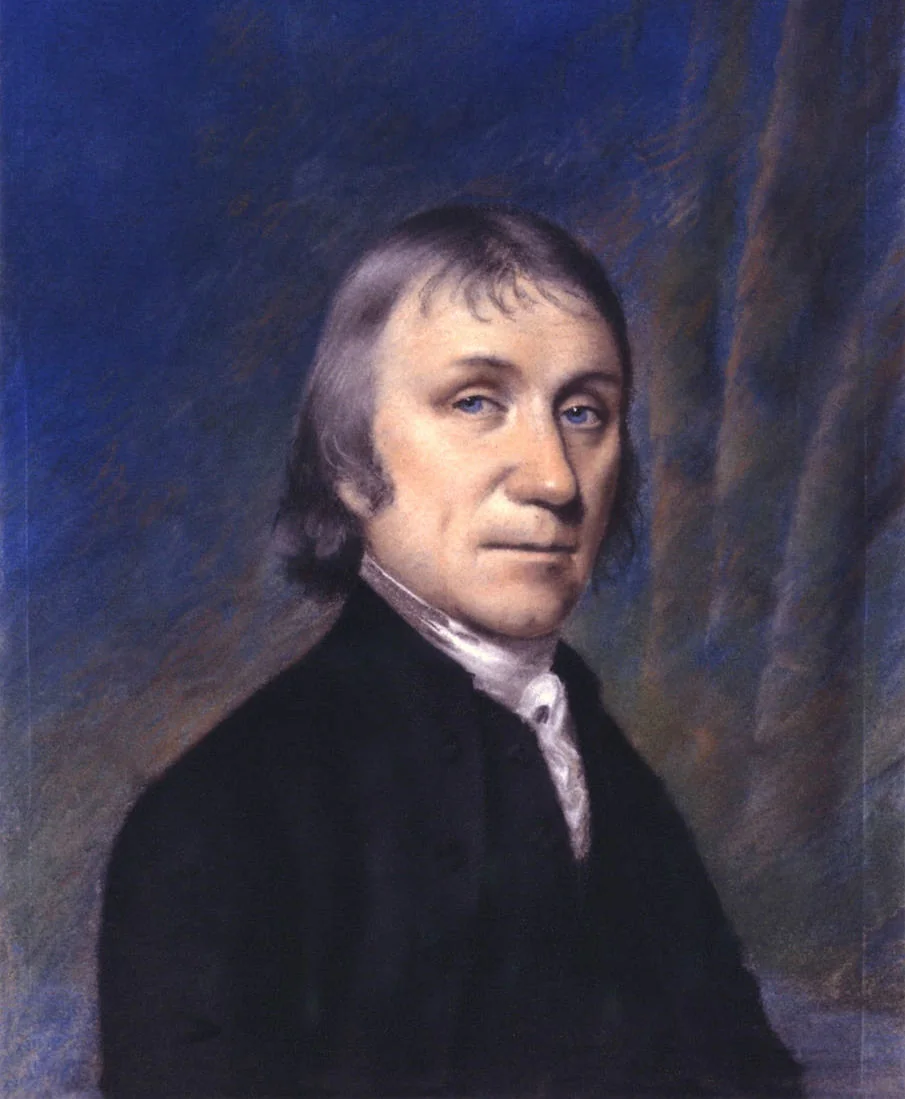
Portrait of Joseph Priestley by Ellen Sharples
Joseph Priestley (1733-1804), by Ellen Sharples

In 1767, an English clergyman and amateur scientist made a discovery that would eventually spawn a $450 billion industry. Joseph Priestley wasn't looking for refreshment—he was looking for science.

Living next to a brewery in Leeds, Priestley noticed that a layer of gas hovered over the fermenting beer vats. He suspended a bowl of water over the vat and observed that the water absorbed the gas. When he tasted it, he described "an exceedingly pleasant sparkling water, resembling Seltzer water."
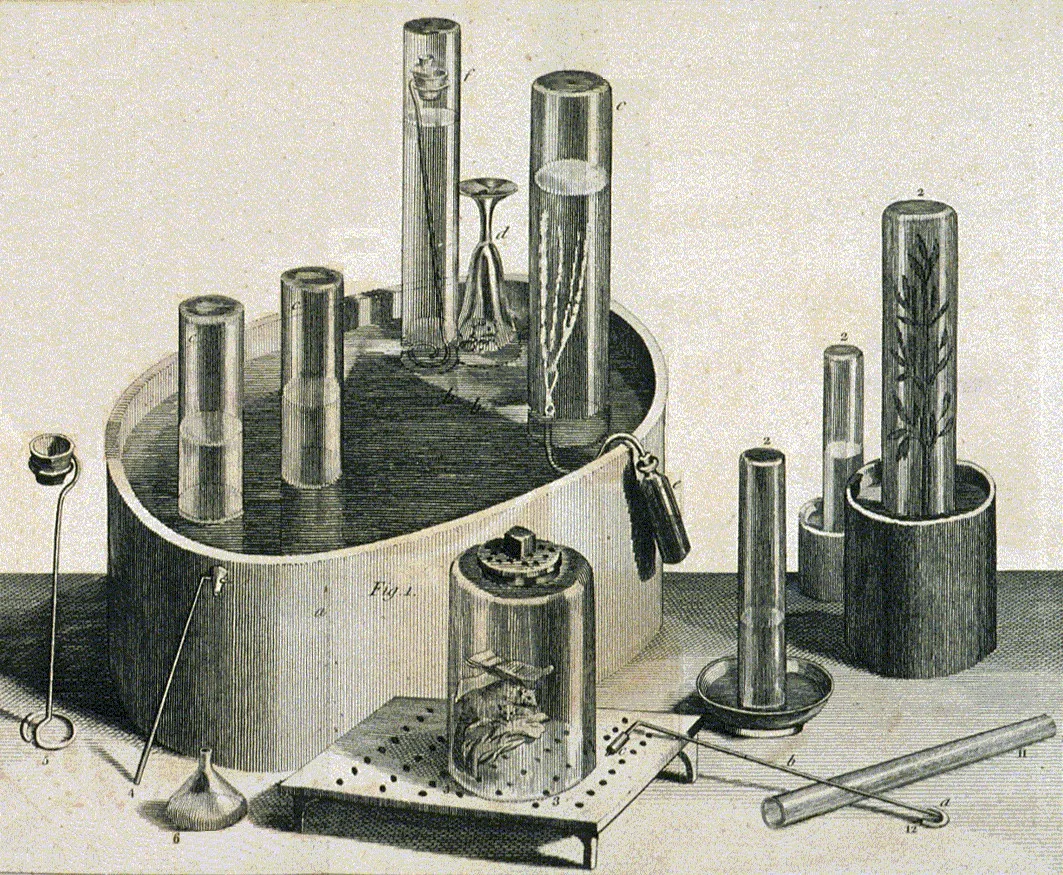
Priestley's pneumatic trough apparatus for carbonation experiments
Priestley's pneumatic trough apparatus (1775) — the device that created the first artificial carbonated water

Priestley published his method in 1772 ("Impregnating Water with Fixed Air") and received the Copley Medal from the Royal Society in 1773. He believed his discovery could prevent scurvy on long sea voyages.

"This is perhaps the happiest discovery I have ever made."— Joseph Priestley, on artificial carbonation
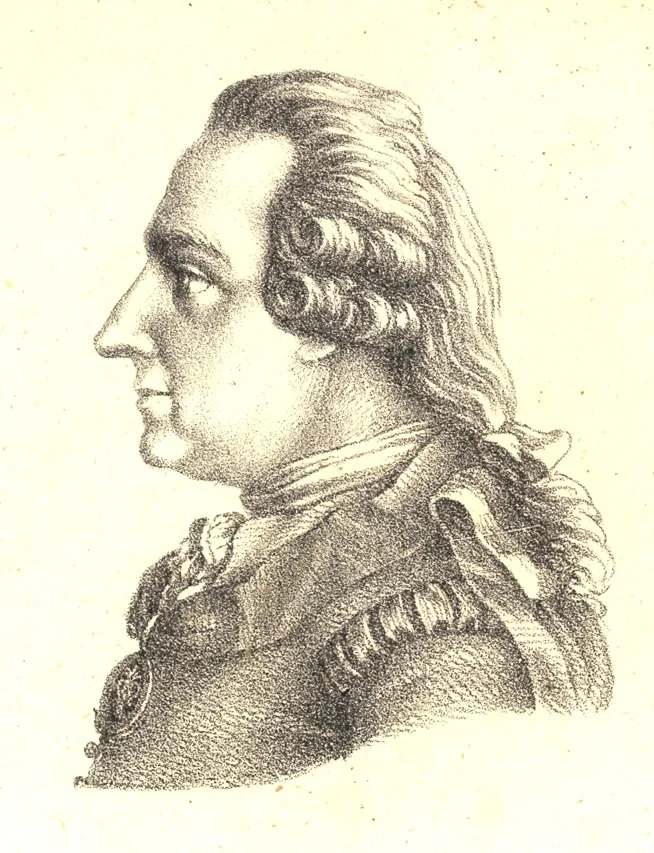
Portrait of Torbern Bergman, Swedish chemist
Torbern Bergman (1735-1784), who refined Priestley's process

But Priestley was a scientist, not an entrepreneur. He shared his method freely and never commercialized it. Swedish chemist Torbern Bergman improved the process in 1771, but it would take 16 years for someone to see the business potential.
ERA 21783-1850

The Mineral Water Men

1783-1850
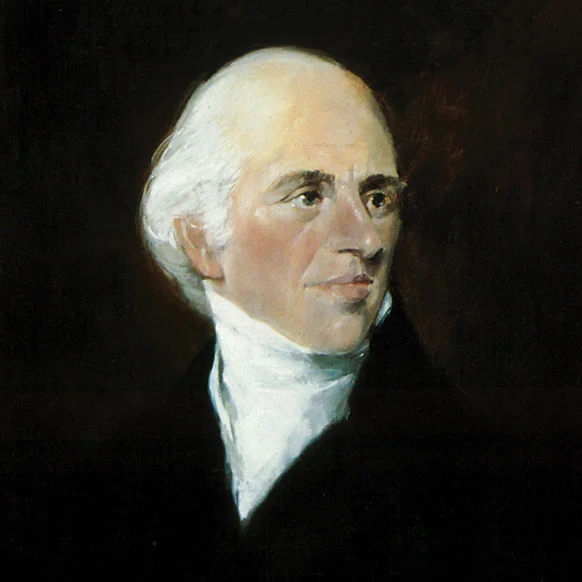
Portrait of Johann Jacob Schweppe, 1783
Johann Jacob Schweppe (1740-1821)

Johann Jacob Schweppe was a watchmaker, not a scientist. But he understood something Priestley didn't: people would pay for pleasant sparkling water.

In 1783, working in Geneva, Schweppe patented a commercial process for manufacturing carbonated water. He called his company J. Schweppe & Co.— the first soft drink company in history.

Schweppe expanded to London in 1792, establishing a factory at 141 Drury Lane. By 1831, Schweppes had received a Royal Warrant as official supplier to the British Royal Household. At the 1851 Great Exhibition, Schweppes sold over a million bottles.
16
Years from discovery to commercialization
1783
Schweppes founded in Geneva
1831
Royal Warrant received
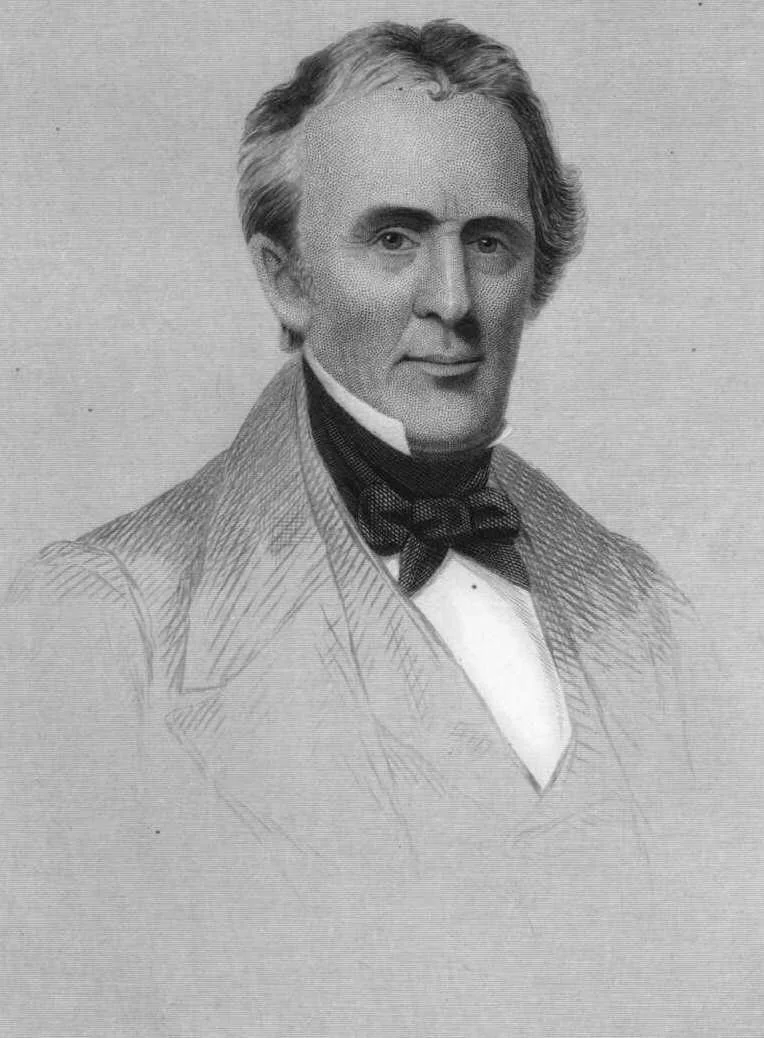
Benjamin Silliman, Yale's first chemistry professor
Benjamin Silliman (1779-1864) — Yale's first chemistry professor, brought soda water to America in 1806

The lesson was clear: scientific discoveries don't automatically become industries. It takes an entrepreneur to see commercial potential in what scientists consider mere curiosities.
ERA 31850s-1920

The Pharmacy Counter

1850s-1920
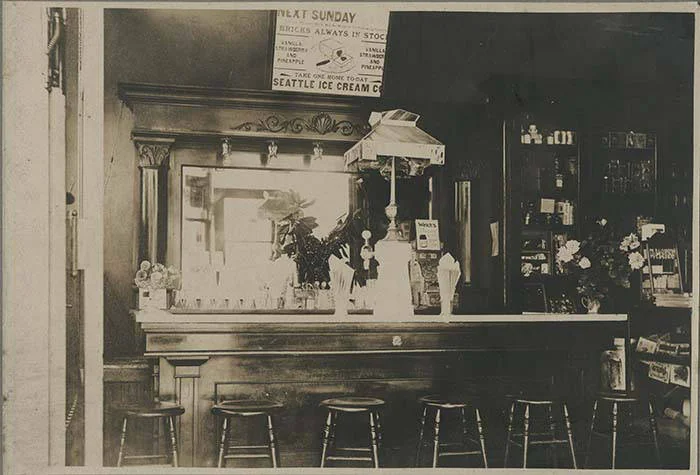
Soda fountain at Weed's Pharmacy, Seattle, circa 1910
A soda fountain at Weed's Pharmacy, Seattle (c. 1910) — the 19th century's innovation hub. MOHAI, Public Domain.

Nearly every major American soft drink was invented by a pharmacist. The soda fountain—where pharmacists dispensed medicinal carbonated waters— was the 19th century's equivalent of the tech startup garage.
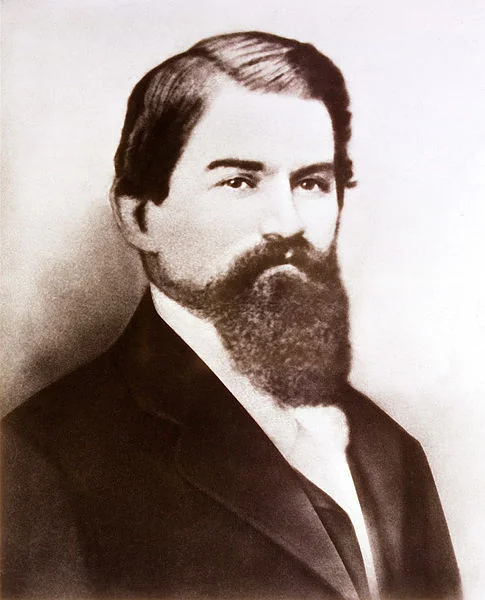
John Stith Pemberton
John Pemberton
Coca-Cola (1886)
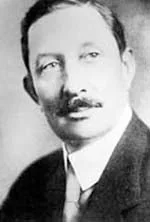
Caleb Bradham
Caleb Bradham
Pepsi-Cola (1893)
Charles Hires
Charles Hires
Root Beer (1876)

In 1885, Charles Alderton created Dr Pepper in Waco, Texas. In 1886, John Stith Pemberton invented Coca-Cola in Atlanta. In 1893, Caleb Bradham created "Brad's Drink" (later Pepsi-Cola) in New Bern, North Carolina.

1875Hires Root BeerCharles Hires, Philadelphia
1885Dr PepperCharles Alderton, Waco
1886Coca-ColaJohn Pemberton, Atlanta
1893Pepsi-ColaCaleb Bradham, New Bern

These pharmacists had chemical knowledge, access to ingredients, retail locations, and customers seeking "tonics." The soft drink industry emerged from medicine, not food. Coca-Cola's original formula contained trace amounts of cocaine (from coca leaf) until 1903.
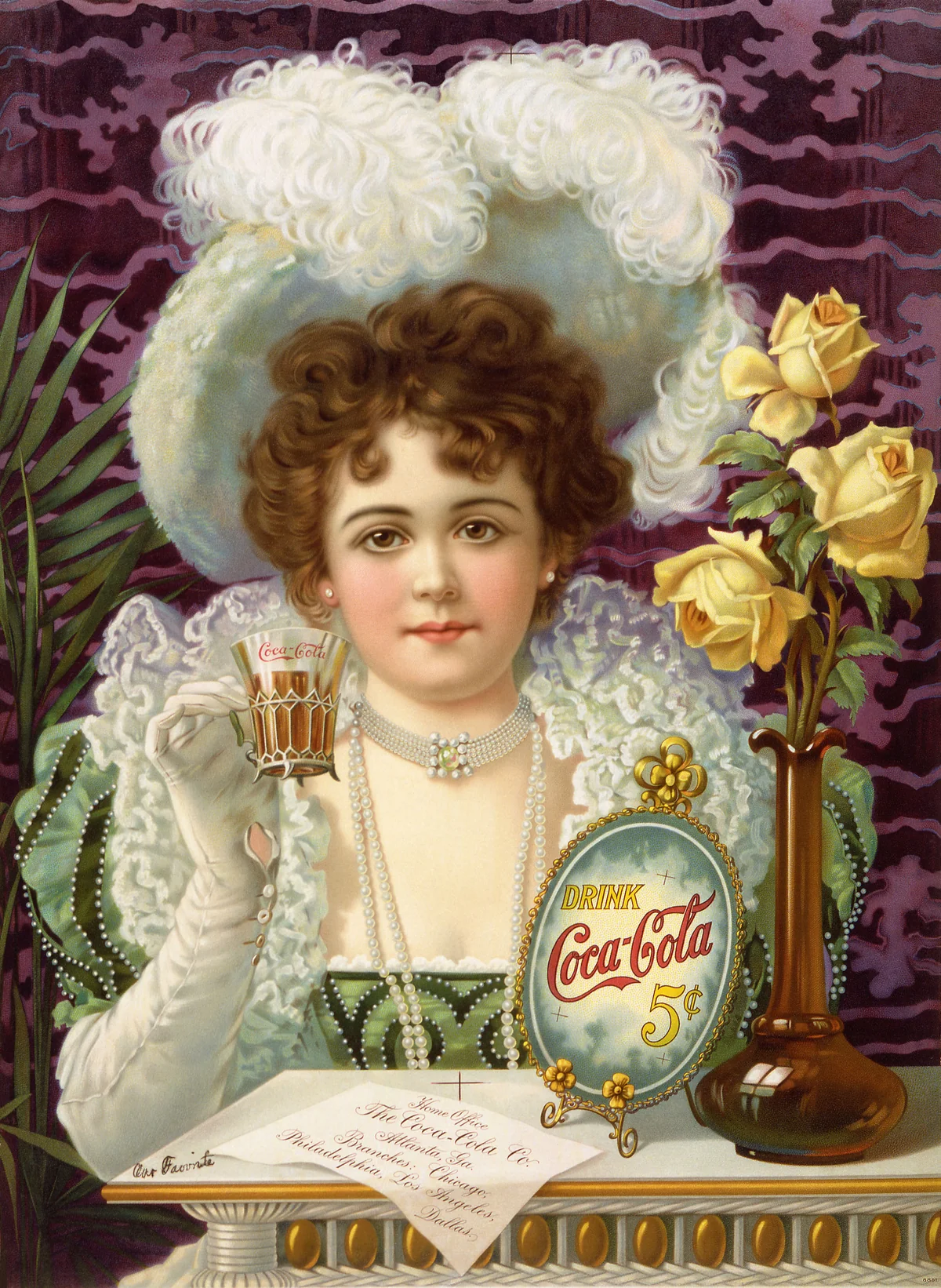
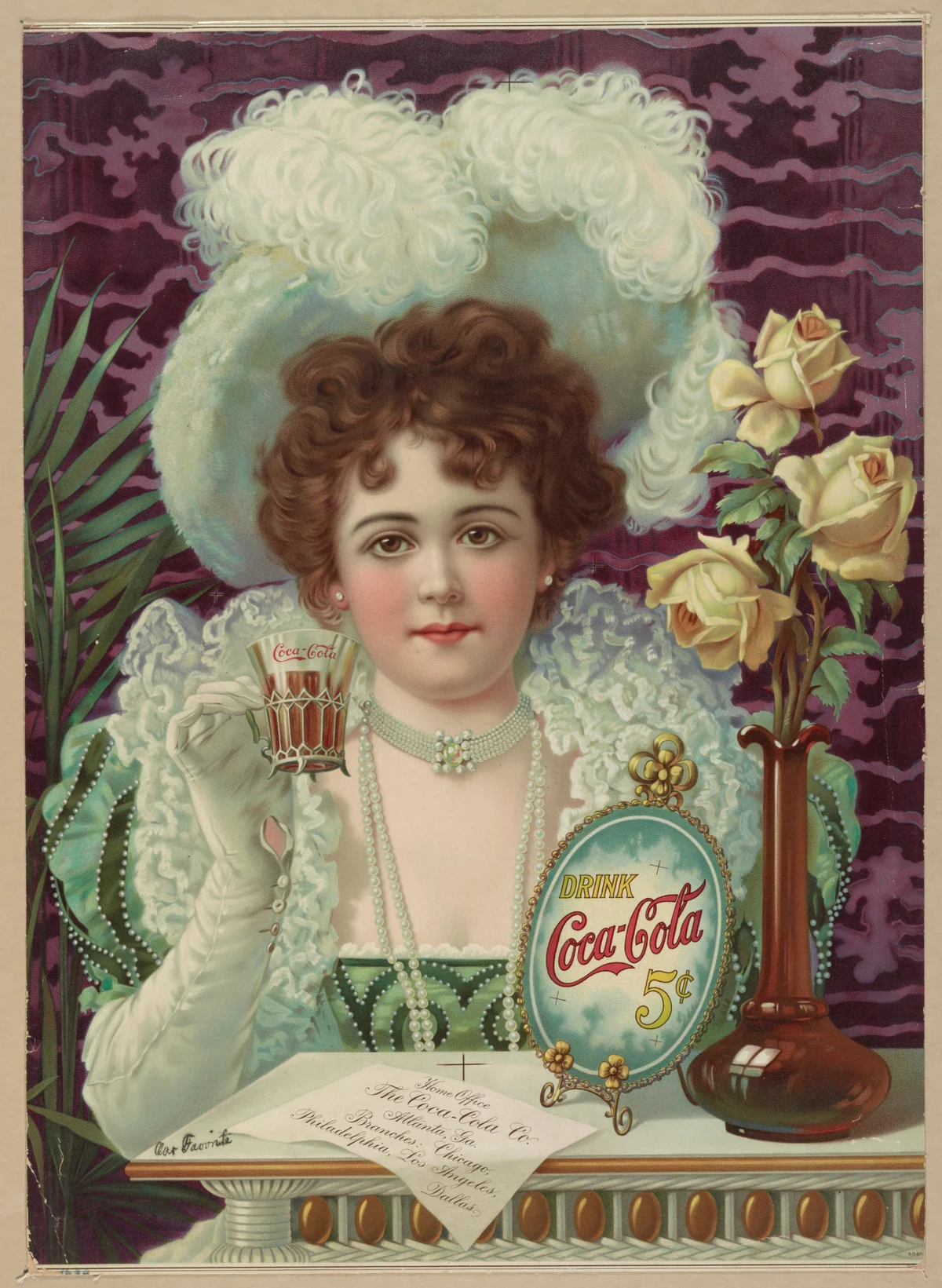
Coca-Cola 5 cents advertisement from 1890s featuring Hilda Clark
"Drink Coca-Cola 5¢" — 1890s ad featuring actress Hilda Clark
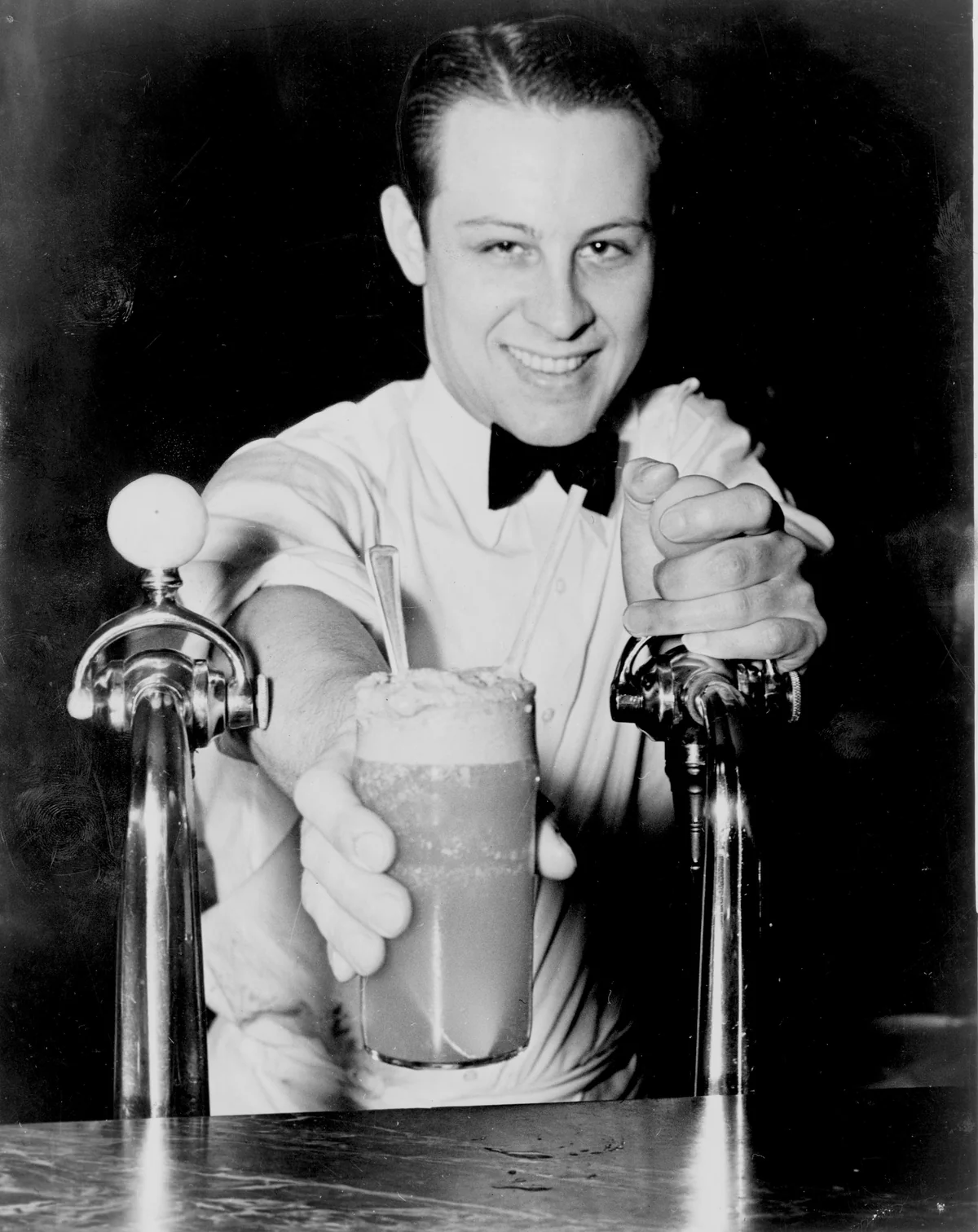
Soda jerk passing ice cream soda between fountains, 1936
A soda jerk at work (1936) — Alan Fisher, Library of Congress

Frank Robinson, Pemberton's partner, suggested the name Coca-Cola, reasoning that "the two Cs would look well in advertising." He designed the famous Spencerian script logo that remains virtually unchanged today.
ERA 41900-1940

Building the Brands

1900-1940
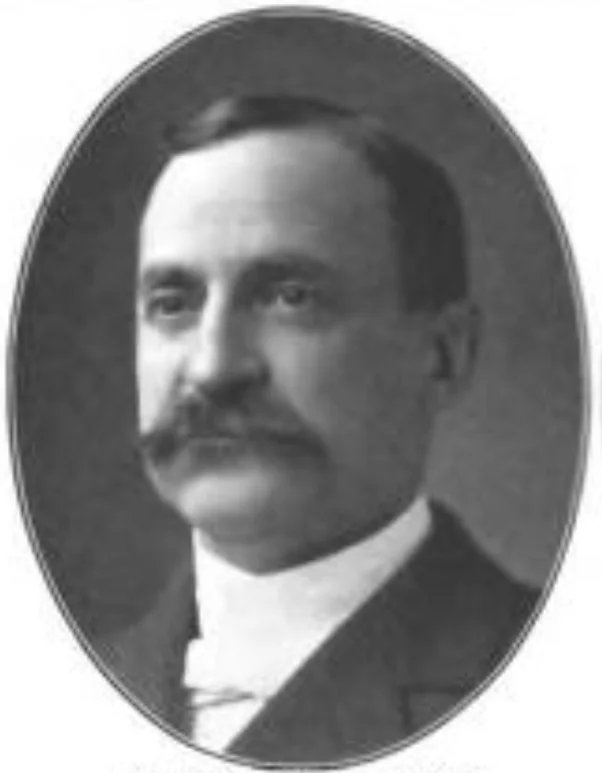
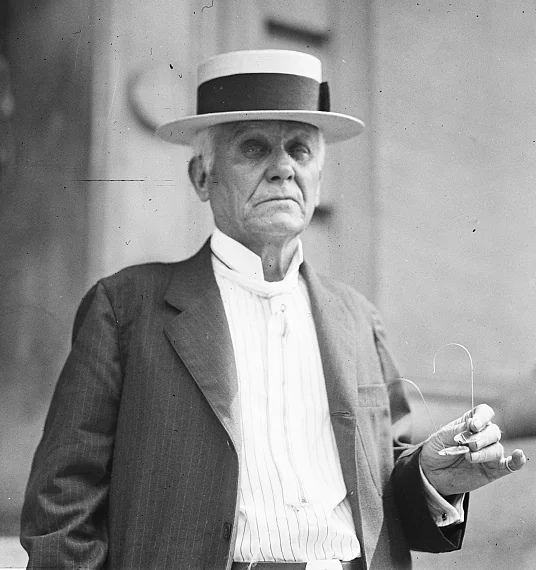
Asa G. Candler, the Coca-Cola king of Atlanta
Asa G. Candler (1851-1929) — bought Coca-Cola for $2,300, built a $25 million empire. Harris & Ewing, 1923.

Asa Candler didn't invent a better soda. He invented modern brand marketing.

In 1891, Candler acquired Coca-Cola for $2,300—possibly history's greatest return on investment. While competitors listed ingredients, Candler sold an experience.
Candler's Marketing Revolution

  • 1891: Invested $11,000 in marketing (typical Atlanta merchant: under $100)
  • First year: Ordered 45,000 calendars with Coca-Cola logo
  • Introduced coupons for free glasses—revolutionary concept
  • Hired Hilda Clark as celebrity endorser (among first celebrity endorsements)
  • Advertising budget: $100,000 (1901) to $1 million (1911)
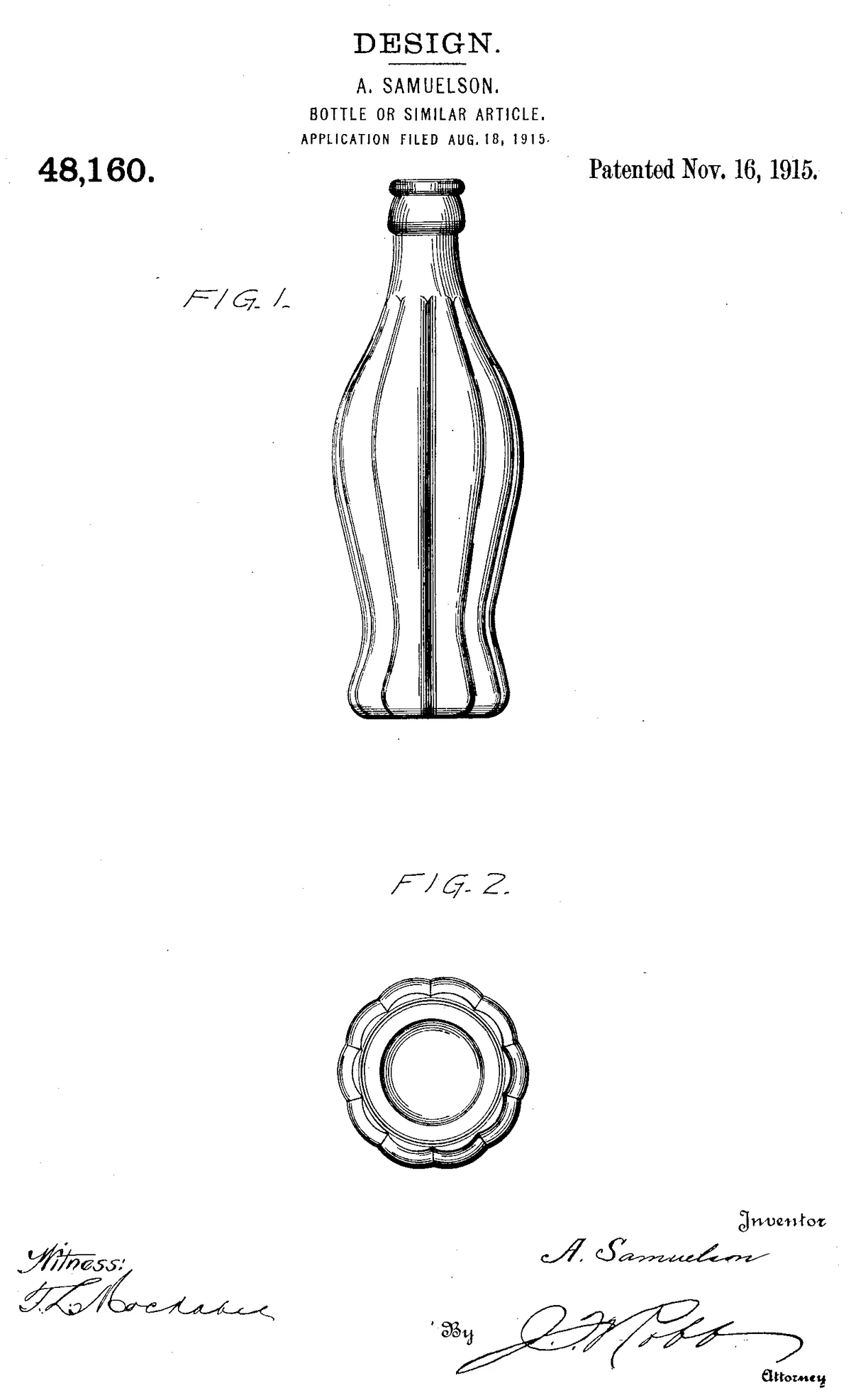
Coca-Cola contour bottle patent drawing, 1915
US Design Patent 48,160 (1915)
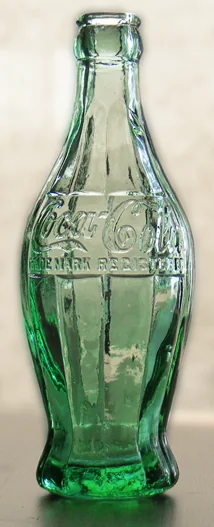
1915 Coca-Cola contour bottle prototype
The iconic silhouette

In 1915, the Root Glass Company designed the iconic contour bottle— recognizable even in the dark or when broken. Earl Dean based the design on a cocoa pod (he misheard "coca"). The "Georgia Green" color became a trademark.
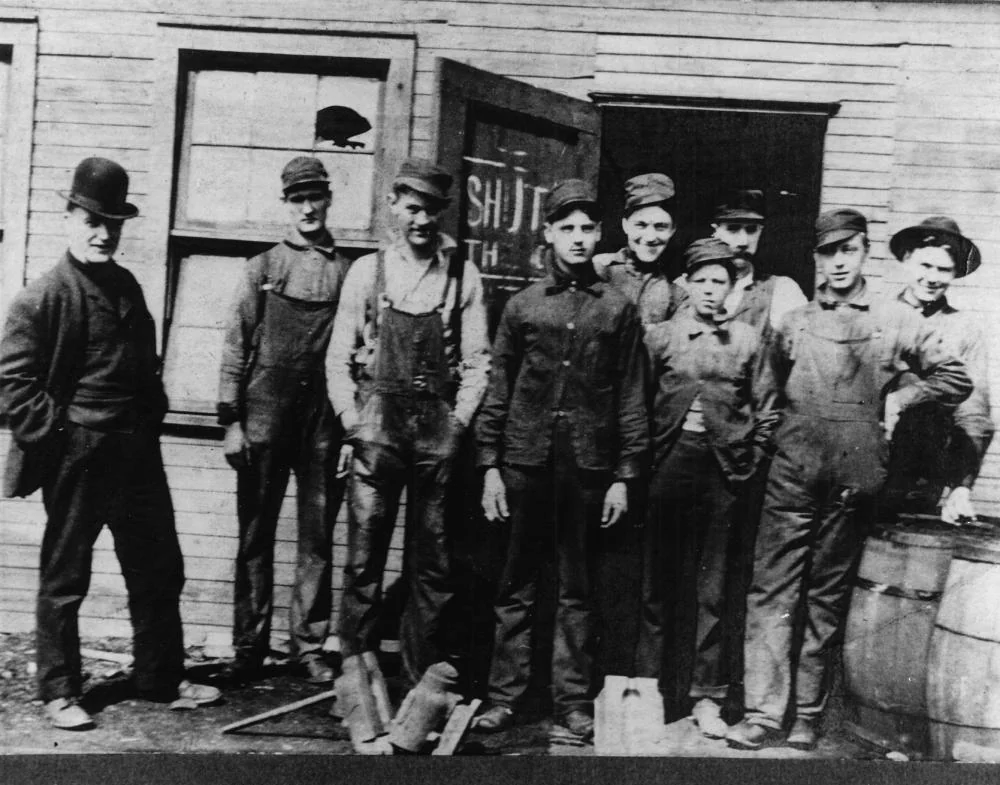
Workers outside the Root Glass Company, circa 1900s. Earl R. Dean stands 4th from right, Alexander Samuelson on far left.
The Root Glass Company team. Earl R. Dean, designer of the contour bottle, stands 4th from right. Plant Supervisor Alexander Samuelson is on the far left. Vigo County Historical Museum, c. 1900s. CC BY-NC-SA 4.0.
2300$
Dollars Candler paid for Coca-Cola
5
Cents per glass (1886-1959)
70+
Years at the same price
Drink Coca-Cola 5 cents chromolithograph from Library of Congress
"Drink Coca-Cola 5¢" — chromolithograph, Library of Congress
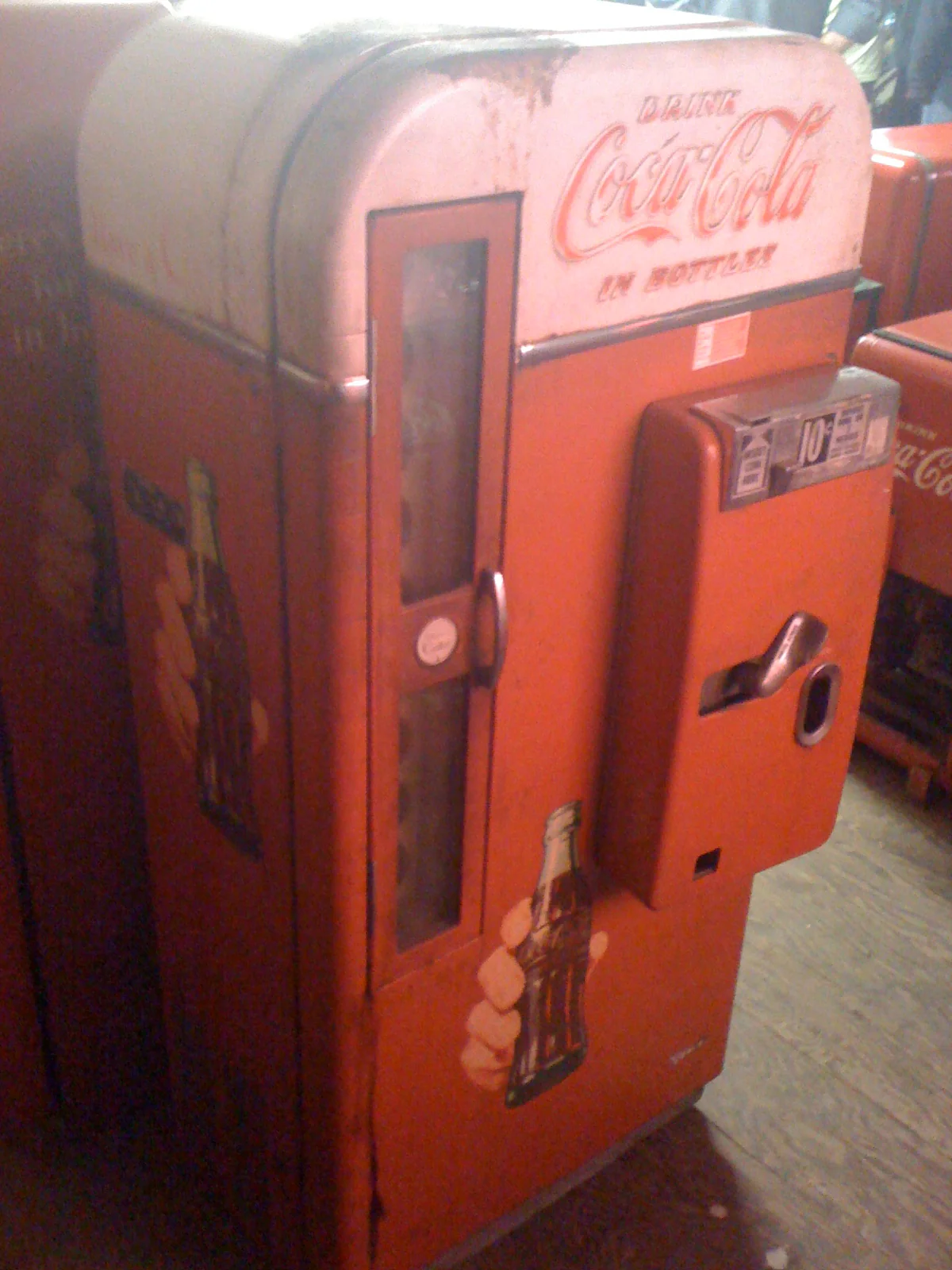
Vintage Coca-Cola vending machine
Vintage vending machine — built for nickels only

The five-cent price held for over 70 years through three wars, the Great Depression, and massive inflation. By 1950, Coca-Cola owned 85% of America's 460,000 vending machines—all built for nickels only. In 1953, the company asked the U.S. Treasury to mint a 7.5-cent coin. The request was denied.
ERA 51941-1959

Following the Flag

1941-1959
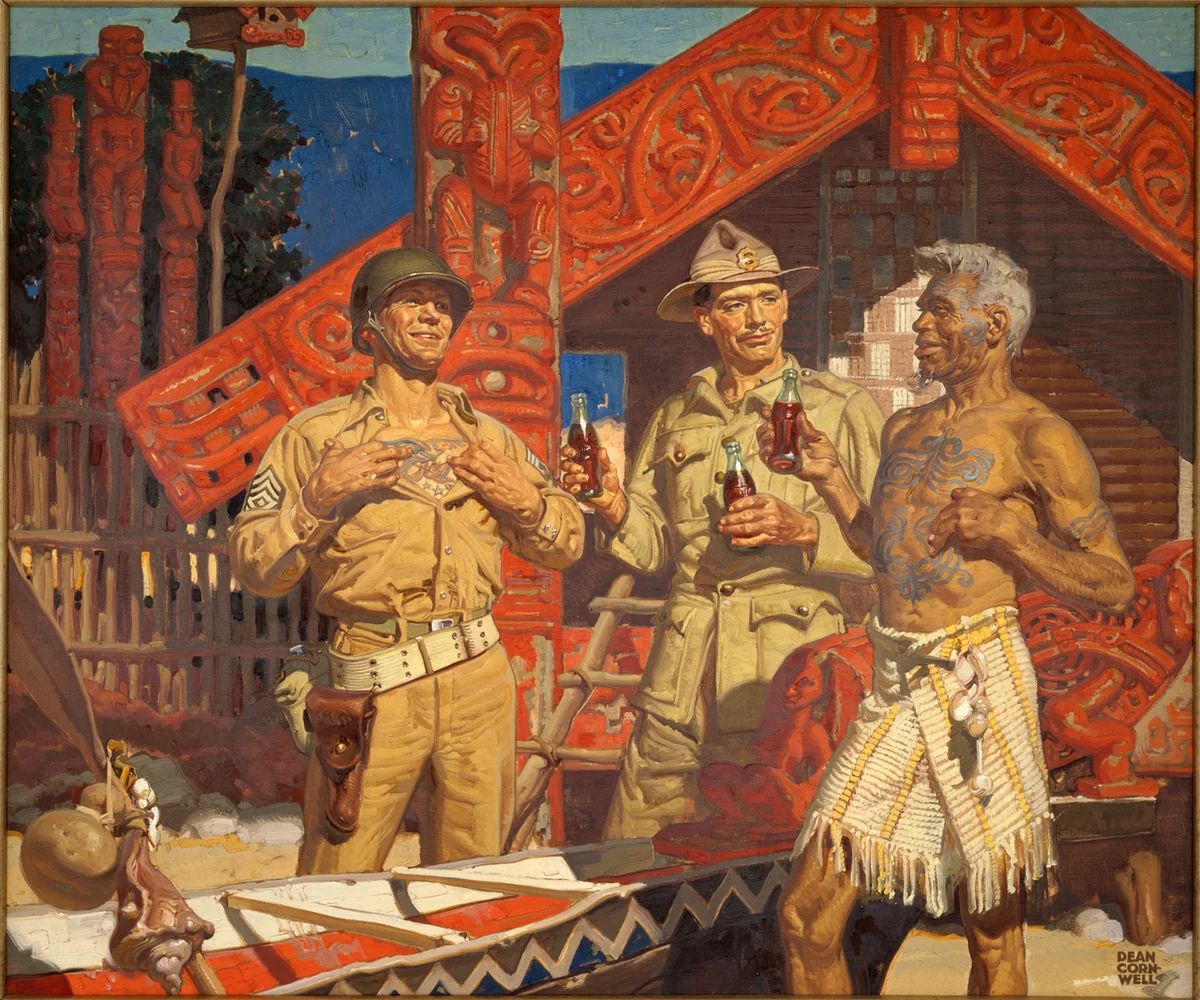
WWII Coca-Cola advertisement: Have a Coke = Kia Ora
"Have a 'Coke' = Kia Ora" — Dean Cornwell's WWII advertisement depicting American soldiers sharing Coca-Cola with Maori people. Archives New Zealand, c. 1943-1945.

Robert Woodruff's 1941 directive would create a global empire: "Every man in uniform gets a bottle of Coca-Cola for five cents, wherever he is and whatever it costs our company."

What looked like patriotic sacrifice was brilliant strategy. Coca-Cola deployed 148 "Technical Observers" (nicknamed "Coca-Cola Colonels") to war zones. The company built 64 bottling plants worldwide at its own expense. 5 billion bottles reached American troops during the war.
148
Technical Observers deployed
64
Overseas bottling plants built
5B
Billion bottles to troops
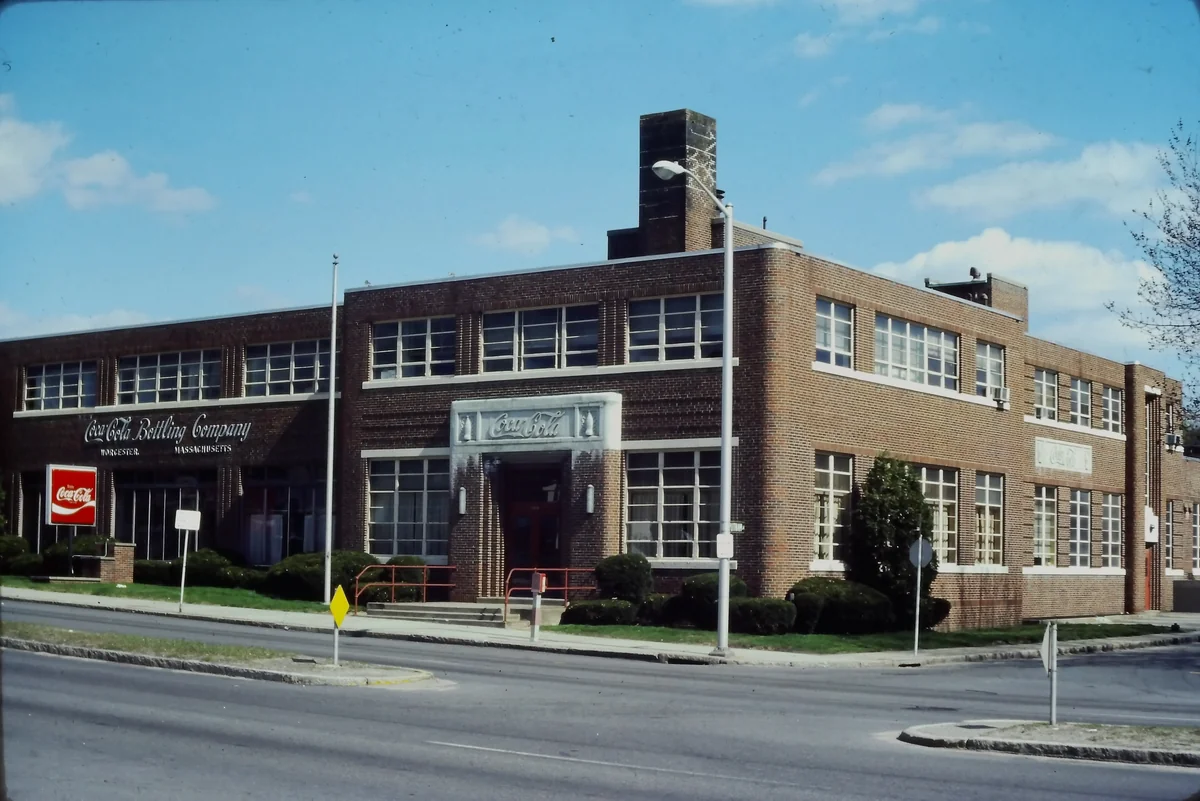
Coca-Cola Bottling Plant, Worcester, Massachusetts, 1940
Coca-Cola Bottling Plant, Worcester, MA (built 1940) — one of the 64 plants that became the foundation for global expansion.

Eisenhower's top-secret telegram ordered 3 million bottles for the North Africa invasion. By 1968, 50% of Coca-Cola's profits came from foreign operations.

The wartime plants became post-war infrastructure for global expansion. Coca-Cola became synonymous with American identity—both its promise and its imperialism. The term "Coca-Colonization" emerged to describe American cultural expansion.

"Coca-Cola was not simply a tasty beverage, but a symbol of American abundance and freedom."— Mark Pendergrast, "For God, Country and Coca-Cola"

The Cola Wars

Between 1975 and 1990, two companies waged the most intense marketing battle in commercial history. The weapon: perception. The battlefield: your mind.
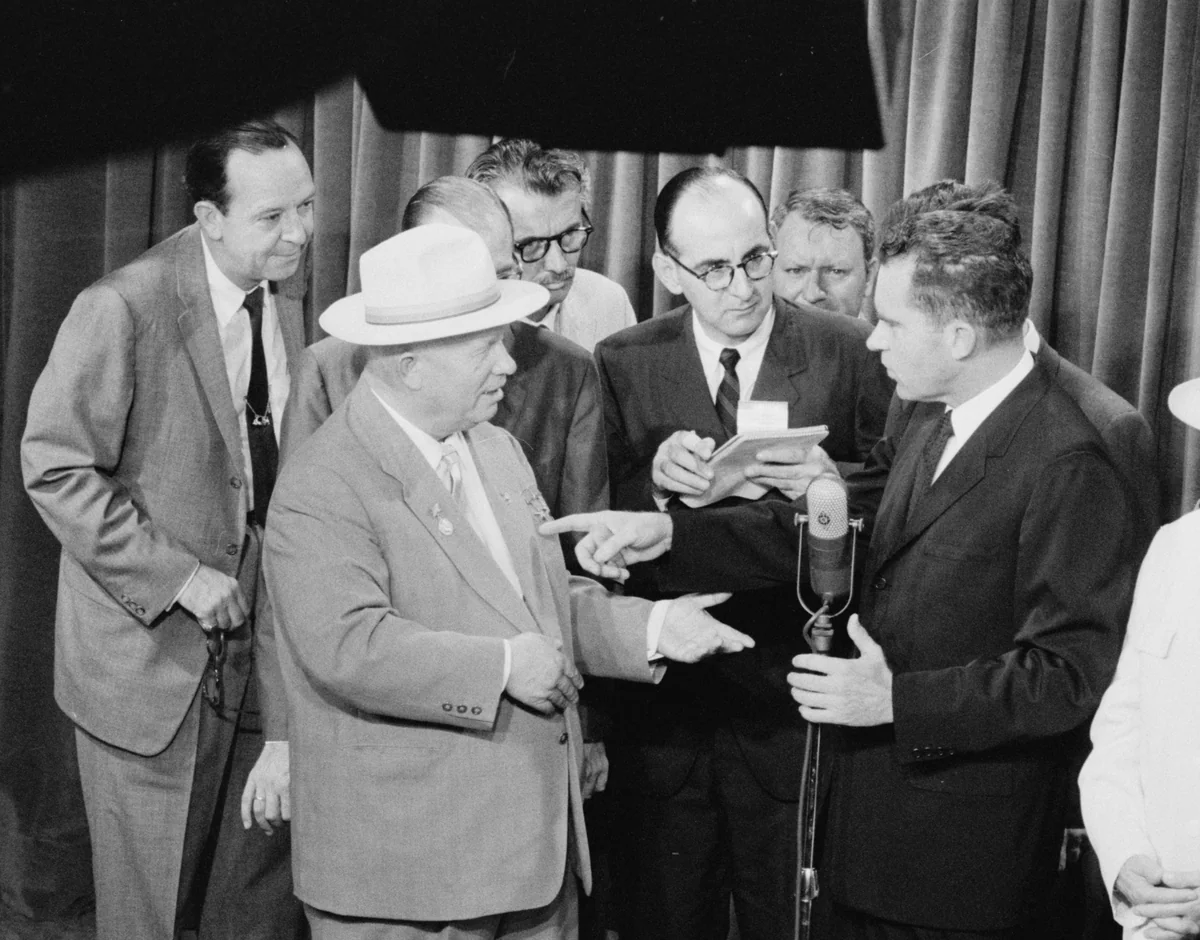
Nixon and Khrushchev at the Kitchen Debate, Moscow 1959
The Kitchen Debate (July 24, 1959): Nixon and Khrushchev at the American National Exhibition in Moscow. Donald Kendall ensured Pepsi was in Khrushchev's hand. Photo: Thomas J. O'Halloran, Library of Congress.
Coca-Cola
Est. 1886 | Atlanta, Georgia
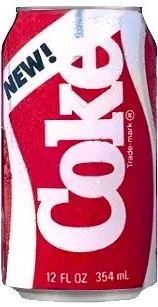
New Coke can from 1985
The 79-Day Mistake
60.5%1975 Market Share
38.8%1984 Market Share
The 79-Day Mistake: New Coke launched April 23, 1985. Classic returned July 11, 1985. 1,500 calls/day to the protest hotline.
VS
Pepsi-Cola
Est. 1893 | New Bern, North Carolina
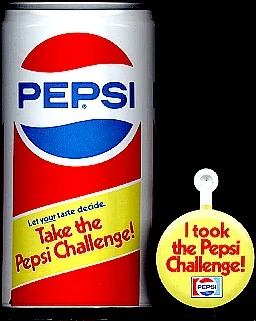
Pepsi Challenge promotional materials from 1980s
The Pepsi Challenge
23.3%1975 Market Share
31.7%1984 Market Share
The Pepsi Challenge: Blind taste tests in Dallas (1975) showed consumers preferred Pepsi. The gap closed by 23 points in a decade.
"We're disarming the Soviet Union faster than you are."— Donald Kendall to Brent Scowcroft, after trading Pepsi for 17 Soviet submarines
ERA 71990-Present

Global Fizz

1990-Present

What began with one man and one brewery now serves 1.9 billion drinks daily.
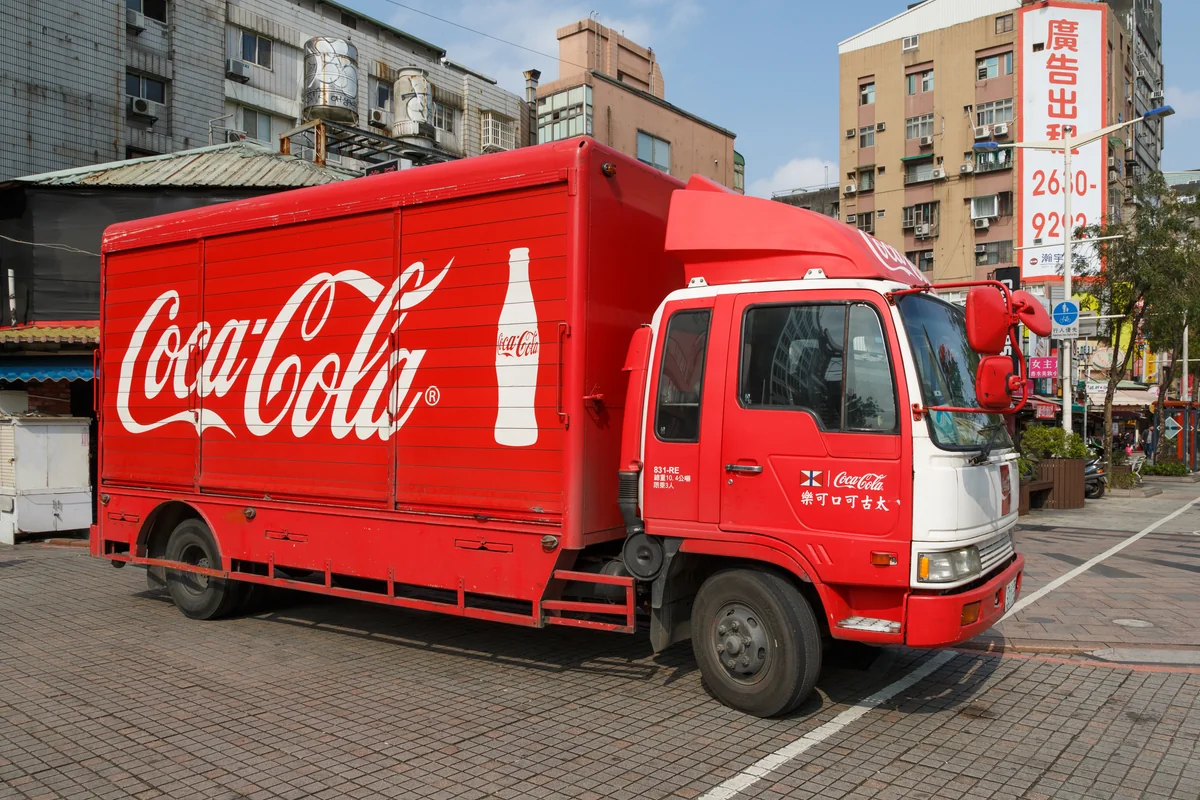
Coca-Cola delivery truck in Taiwan
Coca-Cola delivery infrastructure spans 200+ countries — from Atlanta to Taipei. Photo: Uwe Aranas, CC BY-SA 3.0.

The soft drink industry today is worth between $450 and $630 billion globally. Coca-Cola products are sold in over 200 countries—only North Korea and Cuba lack official distribution. The brand is recognized by 94% of the world's population.

The industry has faced new challenges: health concerns over sugar consumption, environmental criticism of plastic bottles, and competition from energy drinks and bottled water. But the fundamental appeal remains: flavored carbonated water, just as Priestley discovered in 1767.

260 Years in the Archive

Key moments in carbonated history

1767
Priestley discovers carbonation at Leeds brewery
1772
Priestley publishes "Impregnating Water with Fixed Air"
1773
Priestley receives Copley Medal from Royal Society
1783
Schweppe founds company in Geneva
1792
Schweppes expands to London
1831
Schweppes receives Royal Warrant
1851
Schweppes supplies the Great Exhibition
1876
Hires Root Beer debuts at Centennial Exhibition
1885
Dr Pepper invented in Waco, Texas
1886
Coca-Cola invented in Atlanta
1892
Candler founds The Coca-Cola Company
1893
Pepsi-Cola created in New Bern, NC
1899
First Coca-Cola bottling contract signed
1903
Cocaine removed from Coca-Cola formula
1915
Iconic contour bottle designed
1919
Ernest Woodruff acquires Coca-Cola
1923
Robert Woodruff becomes president
1929
First coin-operated Coke vending machines
1941
Woodruff pledges 5-cent Coke for troops
1943
Eisenhower orders 3M bottles for North Africa
1945
64 overseas bottling plants established
1950
Coca-Cola owns 85% of US vending machines
1959
Khrushchev drinks Pepsi at Moscow exhibition
1975
Pepsi Challenge launches in Dallas
1983
Diet Coke becomes #3 soft drink
1985
New Coke launches; Classic returns 79 days later
1990
Pepsi trades for Soviet submarines
2000
Global soft drink market reaches $200B
2010
Coca-Cola reaches 1.5B daily servings
2024
1.9 billion Coca-Cola servings daily

The Industry Today

What began with Priestley's brewery experiment now constitutes one of the largest consumer goods industries on Earth.

1.9B
Billion Coca-Cola servings daily
450B
Billion USD global market
200+
Countries with Coca-Cola
2
Countries without (N. Korea, Cuba)

Global Carbonated Soft Drink Market Share (2024)

Coca-Cola Co.
43%
PepsiCo
24%
Keurig Dr Pepper
8%
Others
25%

The Architects of Fizz

Eleven figures who transformed a scientific curiosity into a global phenomenon.

01
Portrait of Joseph Priestley by Ellen SharplesEllen Sharples, Public Domain

Joseph Priestley

Discoverer of Carbonation
1733-1804

First to create artificial carbonated water in 1767 at a Leeds brewery. Called it his "happiest discovery."

02
Portrait of Johann Jacob Schweppe, 1783Public Domain (1783)

Johann Jacob Schweppe

First Commercial Producer
1740-1821

German-Swiss watchmaker who commercialized carbonated water in Geneva (1783) and London (1792).

03
Photograph of John Stith PembertonPublic Domain

John Stith Pemberton

Inventor of Coca-Cola
1831-1888

Atlanta pharmacist who created Coca-Cola on May 8, 1886. Civil War veteran with morphine addiction.

04
Asa G. Candler by Harris & Ewing, 1923Harris & Ewing, Library of Congress

Asa Griggs Candler

Marketing Pioneer
1851-1929

Bought Coca-Cola for $2,300 and invented modern brand marketing. Built a $25 million empire.

05
Photograph of Caleb Davis Bradham, circa 1900Public Domain

Caleb Bradham

Creator of Pepsi-Cola
1867-1934

North Carolina pharmacist who created "Brad's Drink" in 1893, renamed Pepsi-Cola in 1898.
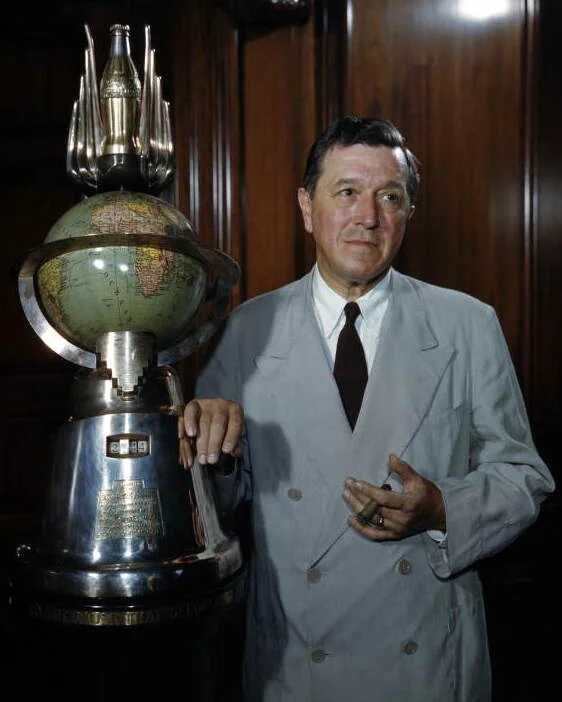
06
Robert Winship Woodruff, President of Coca-Cola, 1944Joseph Janney Steinmetz, State Archives of Florida

Robert W. Woodruff

Global Expansion Architect
1889-1985

Led Coca-Cola's WWII expansion: 64 bottling plants, 5 billion bottles to troops.

07
Portrait of Charles Elmer Hires, 1902Moses King, Public Domain

Charles Hires

Root Beer Pioneer
1851-1937

Philadelphia pharmacist who created Hires Root Beer (1876) and pioneered national advertising.
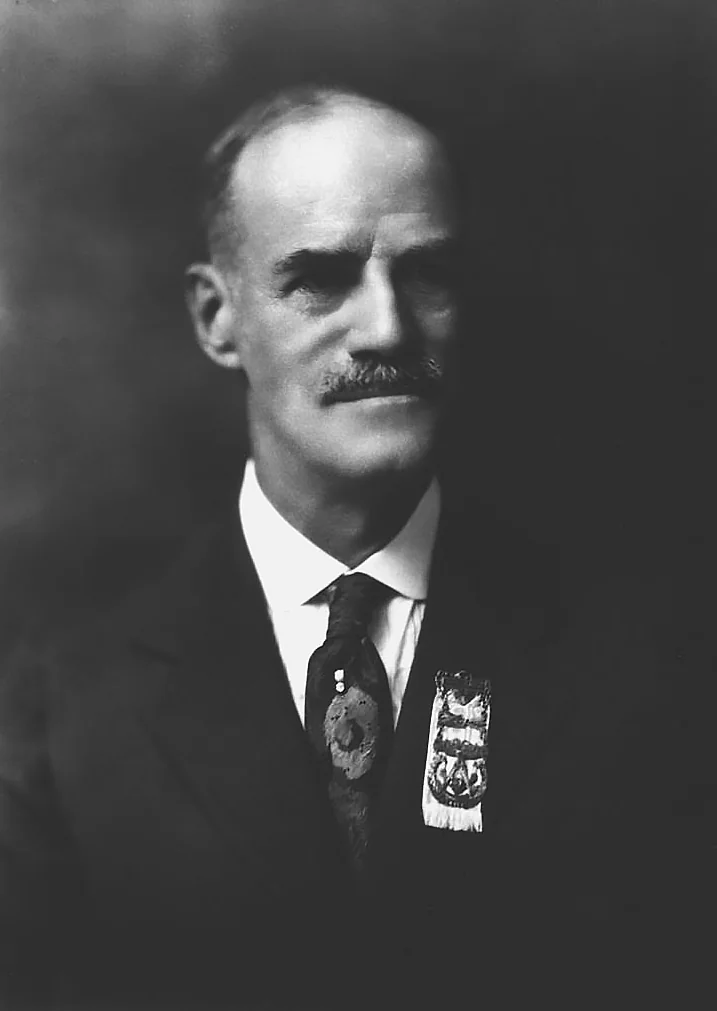
08
Photograph of Charles AldertonPublic Domain via Wikimedia Commons

Charles Alderton

Dr Pepper Inventor
1857-1941

Waco, Texas pharmacist who created Dr Pepper in 1885—America's oldest major soft drink brand.

09
Root Glass Company team, Earl Dean stands 4th from rightVigo County Historical Museum, CC BY-NC-SA 4.0

Earl R. Dean

Contour Bottle Designer
1890-1972

Designed the iconic Coca-Cola contour bottle (1915) that became recognizable even in the dark.

10

Roberto Goizueta

New Coke Architect
1931-1997

Cuban-born CEO who launched New Coke (1985). Called it "smoother, rounder, yet bolder."
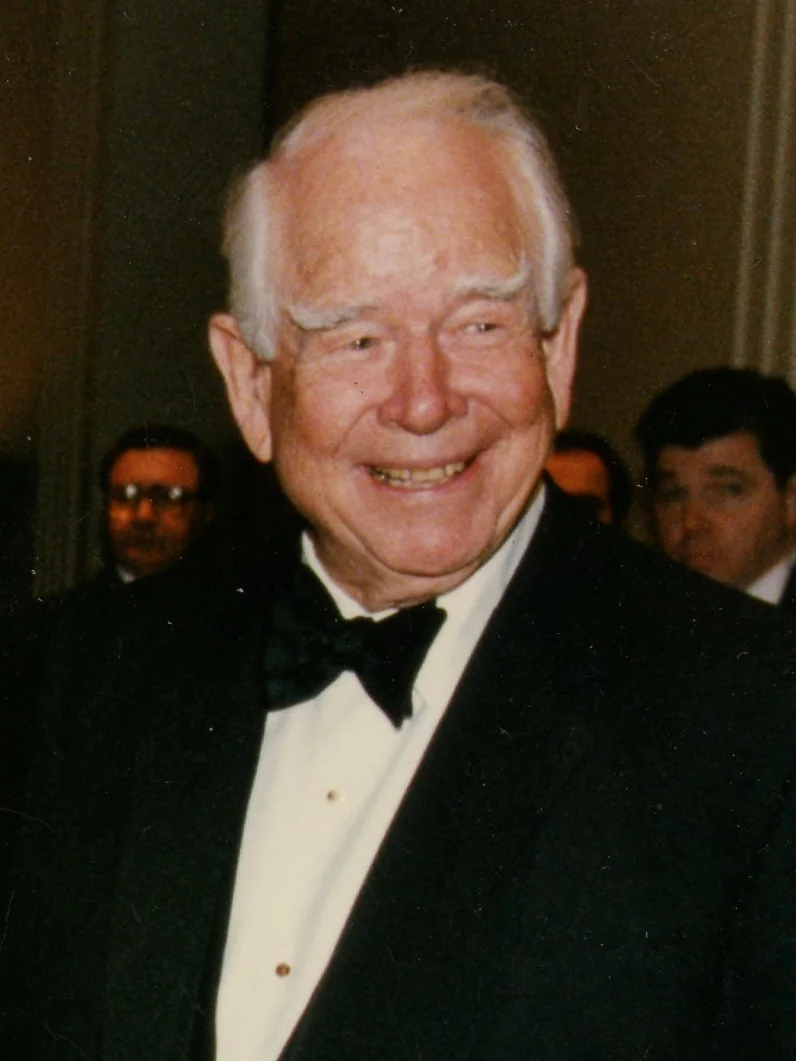
11
Donald McIntosh Kendall, PepsiCo CEOPublic Domain via Wikimedia Commons

Donald Kendall

Pepsi Cold War Strategist
1921-2020

Got Pepsi into Khrushchev's hand (1959). Later traded cola for Soviet submarines.

Sources & Further Reading

Books

  • Pendergrast, Mark. For God, Country and Coca-Cola: The Definitive History of the Great American Soft Drink and the Company That Makes It. Basic Books, 2013.

Market statistics sourced from Statista, Coca-Cola Company investor reports, and industry analysis (2024). Historical data verified through multiple academic sources.

Image Credits

Joseph Priestley portraitEllen Sharples, Public Domain via Wikimedia Commons
Pneumatic trough apparatusPublic Domain via Wikimedia Commons
Torbern Bergman portraitPublic Domain via Smithsonian
Johann Jacob Schweppe portrait (1783)Public Domain via Wikimedia Commons
Benjamin Silliman portraitWilliam G. Jackman, Public Domain
John Stith Pemberton photographPublic Domain via Wikimedia Commons
Asa G. Candler photographHarris & Ewing (1923), Library of Congress
Caleb Bradham photograph (c. 1900)Public Domain via Wikimedia Commons
Charles Elmer Hires portraitMoses King (1902), Public Domain
Soda fountain at Weed's Pharmacy (c. 1910)MOHAI, Public Domain
Soda jerk photographAlan Fisher (1936), Library of Congress
Coca-Cola 1890s advertisementPublic Domain via Wikimedia Commons
Coca-Cola 5 cents chromolithographLibrary of Congress
1915 contour bottle prototypeGavinmacqueen, CC BY-SA 3.0
Coca-Cola bottle patentAlexander Samuelson (1915), USPTO
Root Glass Company team (c. 1900s)Vigo County Historical Museum, CC BY-NC-SA 4.0
Vintage vending machineMyotus, CC BY-SA 4.0
WWII "Kia Ora" advertisementDean Cornwell (1943-45), Archives New Zealand
Coca-Cola Bottling Plant, WorcesterB. Michael Zuckerman, CC BY-SA 4.0
Kitchen Debate photographThomas J. O'Halloran (1959), Library of Congress
New Coke canPublic Domain via Wikimedia Commons
Pepsi Challenge materialsTeemPlayer, CC BY-SA 3.0
Coca-Cola delivery truck, TaiwanUwe Aranas, CC BY-SA 3.0
Robert W. Woodruff portrait (1944)Joseph Janney Steinmetz, State Archives of Florida
Charles Alderton photographPublic Domain via Wikimedia Commons
Donald Kendall portraitPublic Domain via Wikimedia Commons